Reading text
5.1 Understanding of modern communications strategies, including storytelling and digital campaigns
5.1.1 Understanding the principles and objectives of strategic communication in the aquaculture and digital campaigns
Strategic communication is the intentional, goal-oriented use of information to influence attitudes, build trust, and shape the public perception of a sector or product.
In the aquaculture and seafood industries, effective communication goes far beyond marketing: it connects science, culture, environmental values, and economic viability into a coherent narrative directed at consumers, policymakers, and broader stakeholders.
The bivalve aquaculture sector faces particular communication challenges. Despite its well-documented environmental benefits — including water filtration, low greenhouse gas emissions, and the absence of external feed inputs — consumer awareness remains limited.
Research confirms that communicating sustainable aquaculture faces additional challenges, particularly as consumers remain generally uninformed about the production systems, and that miscommunication can lead audiences to perceive sustainability claims as greenwashing rather than as transparent disclosure (Kaimakoudi, 2024; Landazuri-Tveteraas et al., 2023). This creates a structural risk: scientifically sound claims, poorly communicated, can undermine rather than build trust.
Strategic communication in the seafood sector is therefore guided by several core principles:
➔Credibility and transparency: messages must be grounded in verifiable facts. Unsubstantiated environmental claims damage credibility and consumer confidence. Third-party certifications (ASC, MSC, BAP) function as credibility anchors by signalling adherence to independently verified standards.
➔Audience segmentation: different stakeholders require different messages and formats. Health-conscious urban consumers respond to nutritional data; coastal communities resonate with economic and cultural narratives; regulators require rigorous scientific evidence. Effective communication maps messages to audiences.
➔Consistency across channels: a coherent brand identity must be maintained across digital platforms, packaging, events, and B2B interactions. Inconsistencies erode trust and create openings for misinformation.
➔Emotional engagement alongside factual content: trust can be enhanced through improved communication strategies that integrate emotional, functional, and legitimate factors to rebuild consumer confidence (Wang et al., 2020). Pure data communication rarely changes behaviour; emotional resonance drives purchasing decisions.
For aquaculture professionals, understanding these principles means recognising that communication is a strategic function, not an afterthought. It requires the same rigour applied to production: setting clear objectives, defining target audiences, selecting appropriate channels, and measuring outcomes.
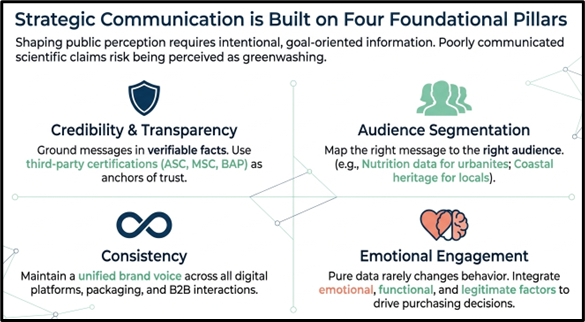
Fig. 28 - Fundamental pillars of strategic communication