Reading text
3.3 Assessment of the impact of climate change on bivalve production
3.3.1 Understand the impacts of climate change on aquaculture systems (temperature, salinity changes, oxygen depletion, extreme weather events)
Climate change is having significant and wide-ranging effects on aquaculture systems, influencing environmental conditions that are critical for the survival and growth of farmed fish, shellfish, and seaweed.
One of the most important impacts is rising water temperature. As temperatures increase, the metabolism of aquatic species also rises, which can initially enhance growth rates. However, once temperatures exceed optimal levels, organisms experience thermal stress, leading to reduced growth, weakened immune systems, and in severe cases, mortality. Warmer waters also promote the spread of diseases and parasites, making aquaculture stocks more vulnerable to outbreaks.
Changes in salinity are another major concern, particularly in coastal and estuarine systems. Climate change alters rainfall patterns and increases the frequency of droughts and floods, which can significantly shift salinity levels. These fluctuations create stress for aquatic organisms as they must use more energy to maintain internal balance, a process known as osmoregulation. Sudden or extreme changes in salinity can reduce growth rates or even cause mass die-offs, especially in species that are not highly tolerant to such variations.
Oxygen depletion, or hypoxia, is also becoming more common in aquaculture environments due to rising temperatures and nutrient pollution. Warmer water holds less dissolved oxygen, while increased nutrient runoff can lead to algal blooms that further reduce oxygen levels when they decompose—a process linked to Eutrophication. Low oxygen conditions place significant stress on aquatic organisms, limiting their feeding and growth and increasing their susceptibility to disease. In extreme cases, hypoxia can result in large-scale fish kills, causing serious economic losses.
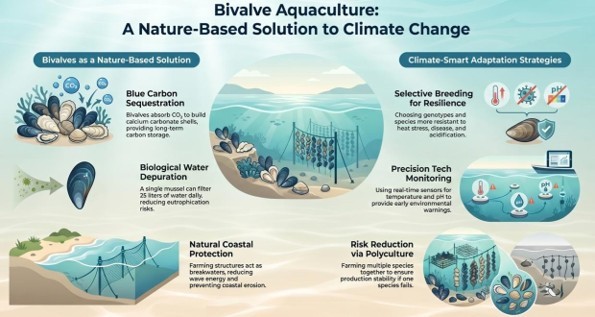
Fig. 22 - Some solution for fighting climate change
In addition, the increased frequency and intensity of extreme weather events, driven by Climate Change, pose a direct threat to aquaculture infrastructure and operations. Storms and flooding can damage cages, ponds, and other facilities, leading to the loss of stock and costly repairs. Floodwaters may also introduce pollutants, sediments, and pathogens into aquaculture systems, further degrading water quality. These events can disrupt feeding schedules, harvesting, and overall farm management, making aquaculture more unpredictable and riskier.
Overall, the combined effects of rising temperatures, changing salinity, oxygen depletion, and storm events reduce productivity, increase operational costs, and create greater uncertainty for aquaculture industries. As a result, adapting to these changing conditions has become essential for maintaining sustainable aquaculture practices.