Reading text
3.4 Understanding the various farm- level strategies to adapt to and mitigate climate change, including species selection and technological innovations
3.4.1 Understanding how to fight the damage caused by climate change to bivalve aquaculture (product movement, selection of genotypes or species more resistant to temperature, polyculture to avoid product loss)
Aquaculture farmers are increasingly adopting a range of farm-level strategies to both adapt to and mitigate the impacts of Climate Change.
One of the most important approaches is species and genotype selection. Farmers can choose species or strains that are more tolerant to higher temperatures, fluctuating salinity, and low oxygen conditions. In bivalve aquaculture (such as mussels and oysters), this includes selecting or breeding genotypes that show greater resistance to heat stress, disease, and acidification. For example, selectively bred oyster strains can better withstand warmer waters and changing environmental conditions, helping maintain productivity even as climates shift.
Another key strategy is area relocation and site selection. As environmental conditions change, farmers may move production to areas with more suitable temperatures, better water quality, or more stable salinity levels. This could involve shifting farms to deeper waters, different coastal zones, or regions less exposed to extreme weather events. In bivalve farming, relocating culture lines or beds can help avoid areas prone to harmful algal blooms, hypoxia, or excessive warming.
To specifically address climate-related risks in bivalve aquaculture, farmers are also adopting product movement strategies. This involves moving stock between sites or depths to avoid unfavourable conditions, such as transferring shellfish to cooler waters during heatwaves or away from areas experiencing poor water quality. This flexibility helps reduce mortality during extreme events.
Another effective strategy is polyculture, where multiple species are farmed together. In bivalve systems, combining species (e.g., mussels with oysters or seaweed) can reduce overall risk. If one species is negatively affected by a climate-related stressor, others may still thrive, ensuring that farmers do not lose their entire production. Polyculture can also improve water quality, as some species (like seaweed) absorb excess nutrients, helping to counteract processes like Eutrophication.
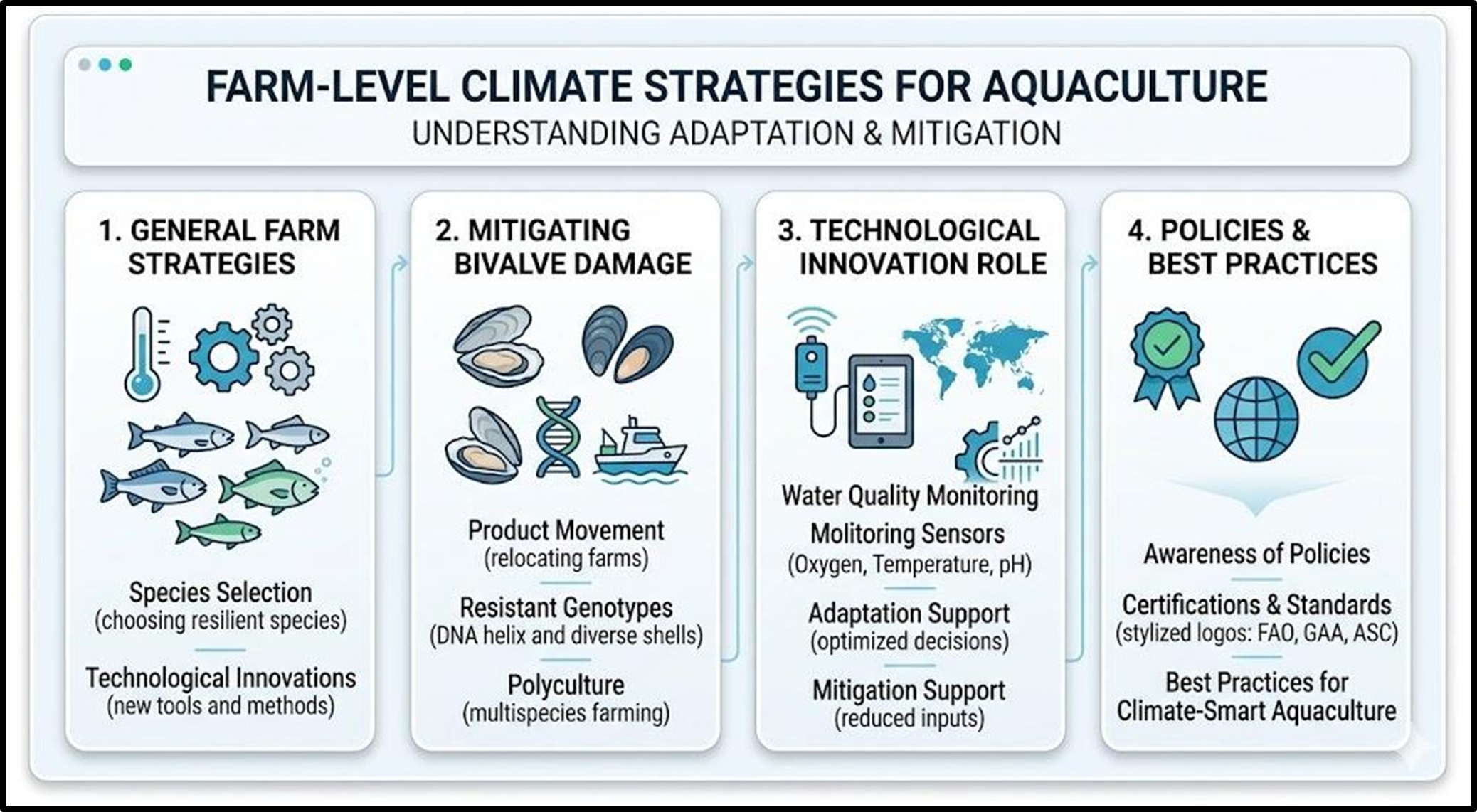
Fig. 23 - Adaptation and mitigation of climate change in bivalve aquaculture
Overall, these farm-level strategies—ranging from selective breeding and relocation to technological innovation and diversified farming systems—are essential for building resilience in aquaculture. By adopting a combination of these approaches, particularly in vulnerable sectors like bivalve farming, producers can better cope with environmental changes while maintaining sustainable and productive operations.