Reading text
4.3 Ability to identify and pursue new market and product opportunities to increase business resilience
4.3.3 Demonstrate the ability to use digital tools and e-commerce platforms to reach new customers
Digital transformation is no longer exclusive to the technology sectors, but is also reshaping the rules of trade in traditional aquaculture, offering unprecedented tools to disintermediate the supply chain and create direct relationships with consumers.
E- commerce (B2C and B2B): In France and Italy, proprietary e-commerce platforms are experiencing significant growth, allowing producers to sell fresh oysters or processed products directly to the end consumer (Direct-to-Consumer), guaranteeing the cold chain and retaining the margins previously allocated to intermediaries. In Ireland, the digital infrastructure is heavily exploited in the B2B (Business-to-Business) sector for the complex management of international orders and to connect with foreign importers. In Spain and Greece, the adoption of direct e-commerce is accelerating, driven by the search for new sales channels.
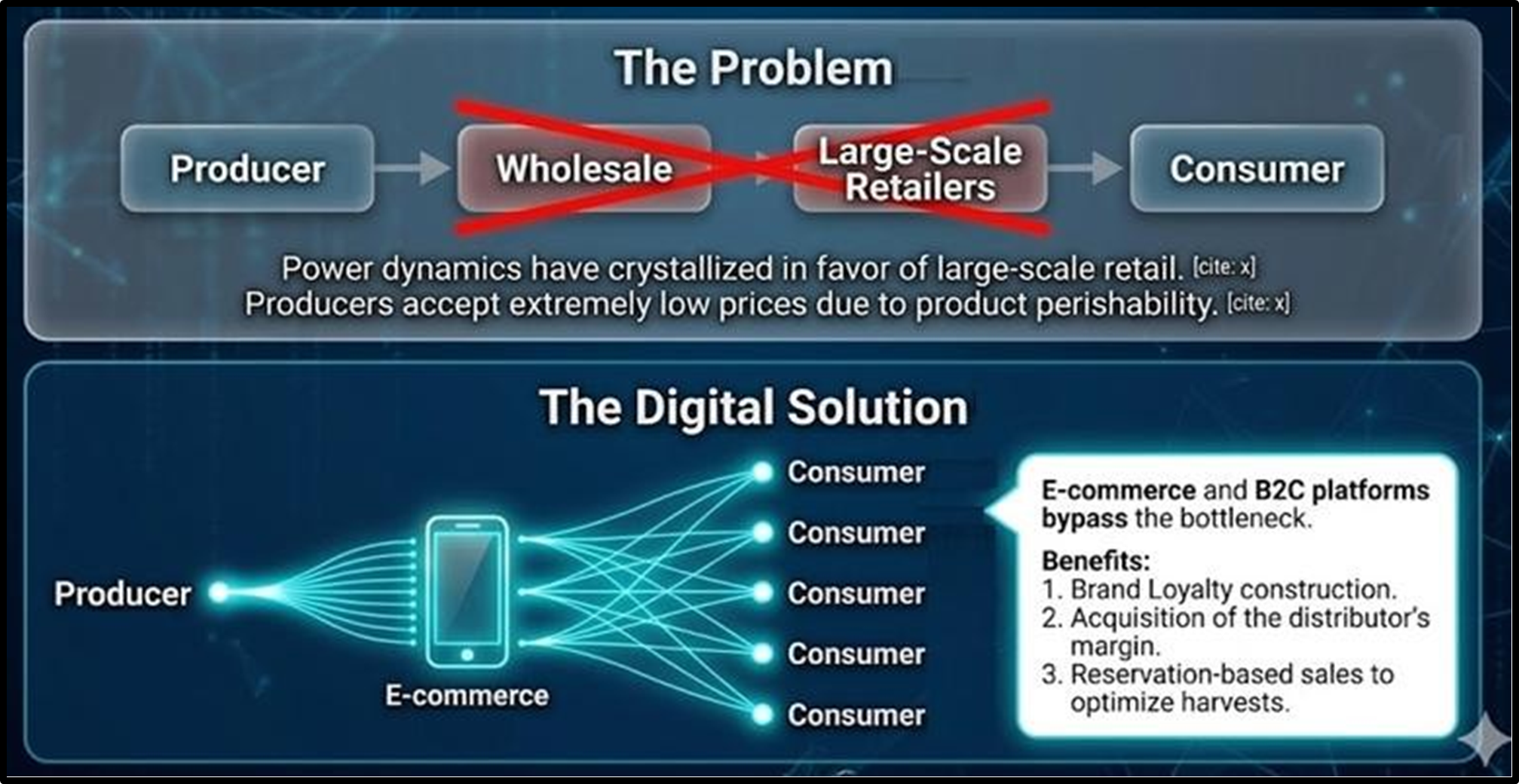
Fig. 27 - The macro reality of the bivalve mollusc aquaculture sector in the EU.
Digital traceability and safety: Tools such as QR codes applied to packaging or registers based on blockchain technology have become formidable marketing levers. They allow the buyer to view the exact bay of origin, the date of harvest and the results of water analyses, providing definitive reassurance on the issues (often critical for bivalves) of food safety and biotoxin control.
Social Media and Storytelling: Platforms such as Instagram, LinkedIn or TikTok are essential for modernising the sector's image. Leading companies use them not only to show the hard work and beauty of the farming environments (humanising the brand), but also for educational purposes: tutorials on how to open an oyster or how to prepare mussels break down the barrier of inexperience for the domestic consumer, encouraging purchase.
The structural integration of these digital technologies within the business model is now the fundamental requirement for expanding the customer base, optimising logistical efficiency and ensuring long-term competitiveness in the global market.