Reading text
| Site: | Optima Project |
| Course: | Workers' course - ΕΝ |
| Book: | Reading text |
| Printed by: | Guest user |
| Date: | Friday, 2 October 2026, 10:29 PM |
Table of contents
- 5.1 Understanding of modern communications strategies, including storytelling and digital campaigns
- 5.1.1 Understanding the principles and objectives of strategic communication in the aquaculture and digital campaigns
- 5.1.2 Utilising storytelling techniques to connect ecological benefits with human stories (farmers, coastal traditions). Recognising the key elements of effective storytelling (authenticity, emotion, narrative flow, target audience)
- 5.1.3 Understanding how to create a coherent brand identity and message across multiple communication channels
- 5.2 Communicating to the consumers the nutritional benefits of bivalve molluscs
- 5.2.1 Understanding the nutritional profile of bivalve molluscs (high-quality protein, omega-3, vitamins, minerals, low fat)
- 5.2.2 Knowing how to translate scientific nutritional information into clear and accessible language for the general public (families, young adults, citizens, health-conscious consumers)
- 5.3 Communicating the importance of ecosystem services, low carbon footprint, and the ecological and social role of bivalves: ability to communicate complex ideas to a consumer audience using accessible language and platforms
- 5.3.1 Explaining the low environmental impact and carbon footprint of bivalve production compared to other protein sources
- 5.3.2 Translating scientific and environmental information into accessible, engaging, and positive messages for consumers
- 5.3.3 Selecting appropriate communication platforms (social media, websites, events, educational campaigns) for different audiences
5.1 Understanding of modern communications strategies, including storytelling and digital campaigns
- 5.1.1 Understanding the principles and objectives of strategic communication in the aquaculture and digital campaigns
- 5.1.2 Utilising storytelling techniques to connect ecological benefits with human stories (farmers, coastal traditions). Recognising the key elements of effective storytelling (authenticity, emotion, narrative flow, target audience)
- 5.1.3 Understanding how to create a coherent brand identity and message across multiple communication channels
5.1.1 Understanding the principles and objectives of strategic communication in the aquaculture and digital campaigns
Strategic communication is the intentional, goal-oriented use of information to influence attitudes, build trust, and shape the public perception of a sector or product.
In the aquaculture and seafood industries, effective communication goes far beyond marketing: it connects science, culture, environmental values, and economic viability into a coherent narrative directed at consumers, policymakers, and broader stakeholders.
The bivalve aquaculture sector faces particular communication challenges. Despite its well-documented environmental benefits — including water filtration, low greenhouse gas emissions, and the absence of external feed inputs — consumer awareness remains limited.
Research confirms that communicating sustainable aquaculture faces additional challenges, particularly as consumers remain generally uninformed about the production systems, and that miscommunication can lead audiences to perceive sustainability claims as greenwashing rather than as transparent disclosure (Kaimakoudi, 2024; Landazuri-Tveteraas et al., 2023). This creates a structural risk: scientifically sound claims, poorly communicated, can undermine rather than build trust.
Strategic communication in the seafood sector is therefore guided by several core principles:
➔Credibility and transparency: messages must be grounded in verifiable facts. Unsubstantiated environmental claims damage credibility and consumer confidence. Third-party certifications (ASC, MSC, BAP) function as credibility anchors by signalling adherence to independently verified standards.
➔Audience segmentation: different stakeholders require different messages and formats. Health-conscious urban consumers respond to nutritional data; coastal communities resonate with economic and cultural narratives; regulators require rigorous scientific evidence. Effective communication maps messages to audiences.
➔Consistency across channels: a coherent brand identity must be maintained across digital platforms, packaging, events, and B2B interactions. Inconsistencies erode trust and create openings for misinformation.
➔Emotional engagement alongside factual content: trust can be enhanced through improved communication strategies that integrate emotional, functional, and legitimate factors to rebuild consumer confidence (Wang et al., 2020). Pure data communication rarely changes behaviour; emotional resonance drives purchasing decisions.
For aquaculture professionals, understanding these principles means recognising that communication is a strategic function, not an afterthought. It requires the same rigour applied to production: setting clear objectives, defining target audiences, selecting appropriate channels, and measuring outcomes.
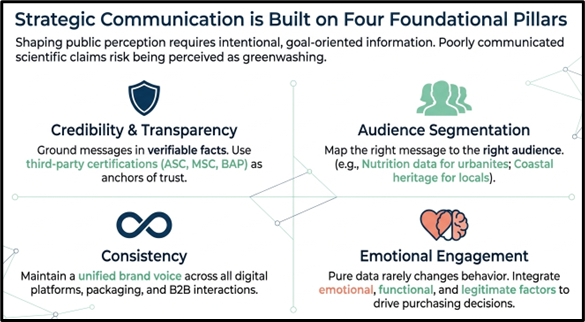
Fig. 28 - Fundamental pillars of strategic communication
5.1.2 Utilising storytelling techniques to connect ecological benefits with human stories (farmers, coastal traditions). Recognising the key elements of effective storytelling (authenticity, emotion, narrative flow, target audience)
Storytelling is among the most effective tools available to communicate complex, values-laden topics such as environmental sustainability. Unlike data sheets or technical reports, stories engage cognitive and emotional processing simultaneously — they are remembered longer, trusted more readily, and are more likely to inspire action.
In the context of aquaculture, storytelling bridges abstract ecological concepts (nutrient cycling, carbon sequestration, biodiversity support) and the tangible human experience of those who farm, harvest, and eat bivalves.
Research in applied communication confirms that for emerging issues like aquaculture, which carry both environmental and human health implications, strategic messaging — especially when accompanied by vivid images — may allow audiences to better engage with complex and contentious topics (Chen & Eriksson, 2019; Yang et al., 2022).
The key elements of effective storytelling in this sector are (Zimand-Sheiner, 2024):
➔Authenticity: The most compelling stories are rooted in real experience. A fourth-generation oyster farmer describing how water quality directly impacts his harvest conveys the environmental stakes of pollution far more powerfully than a scientific abstract.
➔Emotional resonance: Effective narratives connect with values the audience already holds — family heritage, coastal identity, care for the sea, healthy eating. Stories succeed when they invite the audience to see themselves in the narrative.
➔Narrative flow: A clear structure — beginning (a challenge or setting), middle (action taken or a practice explained), end (outcome and meaning) — is more memorable than a list of facts. The protagonist can be the farmer, the ecosystem, or even the product itself.
➔Relevance to target audience: Coastal tradition stories resonate with local and regional audiences; nutritional and environmental impact stories resonate more strongly with urban health-conscious consumers and younger demographics (Millennials and Gen Z, who link personal health with ocean health, per Global Seafood Alliance, 2021).
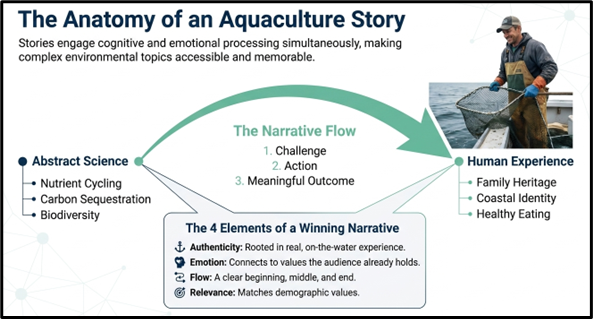
Fig. 29 - Aquaculture storytelling: the winning narrative
Practically, storytelling in the bivalve sector can take several forms: short documentary videos of farming operations, producer profiles on company websites, social media series following the production cycle from spat to plate, or written narratives on packaging.
The craft brewery and specialty coffee sectors offer instructive analogies — both transformed commodity products into differentiated, values-driven brands through consistent, authentic storytelling, and aquaculture can follow a similar path (Thorsen, The Fish Site, 2019).
5.1.3 Understanding how to create a coherent brand identity and message across multiple communication channels
A brand identity is the sum of values, visual elements, tone, and narrative that an organisation consistently projects to its audiences.
In the seafood sector — where most products have historically been sold as undifferentiated commodities — the development of a coherent brand identity is a direct competitive and commercial lever.
Research on brand management confirms that brand storytelling significantly mediates the relationship between brand identity and brand performance, particularly for small and medium-sized enterprises (SMEs) — the dominant organisational form in bivalve aquaculture (Springer Nature, 2025, Journal of Brand Management).
A coherent brand identity for a bivalve farming operation typically integrates (Zimand-Sheiner, 2024):
➔A clear value proposition: What makes this product distinct? Origin, production method, environmental credentials, taste profile, social impact, or a combination of these.
➔Visual consistency: Logo, colour palette, photography style, and typography must be aligned across all touchpoints — packaging, website, social media, exhibition stands, and export documentation.
➔A consistent tone of voice: Whether formal and technical (for B2B and institutional communication) or warm and personal (for direct-to-consumer), the tone should be recognisable and predictable.
➔Channel-specific adaptation: The same core message must be adapted without distortion to each channel. A LinkedIn post for professional stakeholders, an Instagram reel for consumers, and a product leaflet for a restaurant buyer require different formats, lengths, and emphasis — but the underlying story must remain consistent.
➔For professionals managing communication across a farming enterprise, the practical implication is a communications strategy document: a short, internal reference that defines the target audiences, core messages, tone, channel priorities, and calendar. Without this structure, communication efforts tend to be reactive, inconsistent, and ineffective.
Digital tools — content management systems, scheduling platforms, and analytics dashboards — support this effort by enabling systematic planning and performance measurement.
➔A critical caution: coherence must not become rigidity. Consumer expectations evolve, and communication strategies must be reviewed periodically.
The research literature on greenwashing in the seafood sector signals that overclaiming environmental performance without substantiation risks significant reputational damage (Devitt, 2024; Lu et al., 2022). The most durable brands in the sector communicate progress and commitment honestly, rather than making absolute claims they cannot sustain.
5.2 Communicating to the consumers the nutritional benefits of bivalve molluscs
- 5.2.1 Understanding the nutritional profile of bivalve molluscs (high-quality protein, omega-3, vitamins, minerals, low fat)
- 5.2.2 Knowing how to translate scientific nutritional information into clear and accessible language for the general public (families, young adults, citizens, health-conscious consumers)
5.2.1 Understanding the nutritional profile of bivalve molluscs (high-quality protein, omega-3, vitamins, minerals, low fat)
Bivalve molluscs — including oysters, mussels, clams, scallops, and cockles — are among the most nutritionally dense animal protein sources available. Understanding this profile in depth is essential for professionals who must communicate it accurately and credibly.
➔Protein and amino acids: bivalves provide high-quality, complete animal protein with a well-balanced essential amino acid (EAA) profile.
Wright et al. (2018) confirm that bivalve molluscan shellfish deliver substantial protein with good nutritional value, noting that protein quality and digestibility of shellfish is comparable to or exceed that of many other animal protein sources.
The FAO Nutrient Database for Fish and Shellfish (FAO Ufish, 2016) documents the amino acid composition of key commercially farmed species — mussels, oysters, clams, and scallops — all of which provide complete EAA profiles suitable for human dietary requirements.
For aquaculture professionals, this is a key differentiating message: bivalves are not a secondary or supplementary protein source but a primary, nutritionally complete one.
➔Omega-3 fatty acids (EPA and DHA): bivalves are among the most important dietary sources of long-chain omega-3 polyunsaturated fatty acids (EPA and DHA), associated with reduced cardiovascular disease risk, improved cognitive function, and anti-inflammatory effects.
Mozaffarian’s review of seafood health benefits (2006) documents robust evidence that regular seafood consumption — driven substantially by its omega-3 content — reduces cardiovascular mortality, confirmed across multiple large-scale cohort studies.
Bivalves obtain these fatty acids directly from phytoplankton, making their omega-3 composition a natural product of the marine environment rather than a feed additive.
Bianchi et al., (2022) further demonstrate that farmed bivalves such as mussels and oysters achieve among the highest nutrient density scores at the lowest greenhouse gas emissions of any seafood or animal protein — a dual advantage (nutritional and environmental) central to the sector’s value proposition.
➔Vitamins and minerals: bivalves are a particularly rich source of micronutrients frequently deficient in global diets.
Venugopal and Gopakumar (2017) establish that shellfish are excellent sources of zinc, iron, vitamin B12, selenium, iodine, and copper — micronutrients critical for immune function, neurological development, thyroid regulation, and red blood cell production. Oysters in particular, contain among the highest concentrations of zinc of any food.
Wright et al. (2018) further confirm the micronutrient density of bivalve molluscs and their contribution to addressing dietary deficiencies. For consumer-facing communication, this micronutrient density is a compelling and underused message, particularly for health-conscious audiences, parents, and older adults.
➔Low fat and caloric density: bivalves are low in total fat and caloric density relative to their protein and micronutrient content, making them suitable across a wide range of dietary patterns: caloric restriction, cardiovascular health management, and high-protein frameworks.
The FAO Ufish database provides species-level macronutrient data confirming the lean profile of mussels, clams, oysters, and scallops, with total fat typically ranging from 1 to 3 g per 100 g wet weight.
➔Bioactive compounds and health effects: beyond conventional macronutrients and micronutrients, Venugopal and Gopakumar (2017) document that shellfish contain bioactive compounds with demonstrated antimicrobial, antioxidant, anti-inflammatory, cardioprotective, and neuroprotective properties, including taurine, betaine, specific peptides, and sterols. While several of these properties remain active areas of research and should not be the basis of unsubstantiated product claims, they represent a legitimate avenue for differentiation in premium and health-focused markets.
Bianchi et al. (2022) position bivalves not merely as healthy food, but as strategically important for sustainable dietary transitions — a message of growing relevance to institutional buyers, public health authorities, and sustainability-oriented consumers.
5.2.2 Knowing how to translate scientific nutritional information into clear and accessible language for the general public (families, young adults, citizens, health-conscious consumers)
Accurate scientific information is the essential foundation of nutritional communication - but accuracy alone is insufficient. For bivalve molluscs aquaculture professionals communicating to families, young adults, health-conscious consumers, or citizens with no background in food science, the translation of technical content into accessible language is as important as the content itself. Several evidence-based principles guide this translation (Kaimakoudi, 2024):
➔Lead with benefits, not mechanisms: rather than 'bivalves contain EPA and DHA', say 'eating mussels twice a week supports heart health and brain function'.
The audience wants to know what the product does for them, not how it works biochemically. The mechanism can follow as a secondary layer for those who want to go deeper.
➔Anchor to reference points: Comparing the nutrient content of bivalves to familiar foods (beef, chicken, salmon, eggs) makes the data meaningful. “A 100 g serving of oysters contains more zinc than a sirloin steak and more omega-3 than most supermarket fish” is more communicative than a nutrient table alone.
➔Avoid sensationalism and overclaiming: phrases like 'superfood' or 'miracle nutrient' trigger scepticism, especially among educated consumers. The research literature supports precise, substantiated claims: bivalves are 'a rich natural source of EPA and DHA' or 'one of the most nutrient-dense low-calorie protein sources available' — these are accurate and differentiating without overstating.
➔Use visual formats to carry data: infographics, comparison charts, and packaging icons communicate nutritional information faster and more memorably than text. Research in communication science confirms that infographic video formats generate higher audience engagement and transportation than purely narrative formats for health and environmental topics (Yang et al., 2022).
➔Audience segmentation: families with young children respond to messages about iron and brain development; older adults respond to cardiovascular health and anti-inflammatory benefits; athletes respond to protein bioavailability and recovery. The same nutritional truth is communicated differently to different segments.
A practical exercise for aquaculture professionals is to take a peer-reviewed nutrition claim and produce three versions: one for a scientific poster, one for a restaurant menu insert, and one for a social media caption. This exercise makes visible the gap between scientific language and consumer-facing language and builds the translation skill systematically.
It is worth noting that consumer trust in nutritional claims from producers is generally lower than trust in claims from independent health authorities or certified third parties. Wherever possible, citing health authority endorsements (EFSA, national dietary guidelines) or directing consumers to independent sources strengthens credibility.
5.3 Communicating the importance of ecosystem services, low carbon footprint, and the ecological and social role of bivalves: ability to communicate complex ideas to a consumer audience using accessible language and platforms
- 5.3.1 Explaining the low environmental impact and carbon footprint of bivalve production compared to other protein sources
- 5.3.2 Translating scientific and environmental information into accessible, engaging, and positive messages for consumers
- 5.3.3 Selecting appropriate communication platforms (social media, websites, events, educational campaigns) for different audiences
5.3.1 Explaining the low environmental impact and carbon footprint of bivalve production compared to other protein sources
Bivalve aquaculture occupies a uniquely favourable position in the global food system from an environmental standpoint.
Unlike finfish aquaculture, poultry, or livestock production, bivalve farming requires no external feed, no freshwater inputs, no fertilisers, and no land. Bivalves filter phytoplankton and suspended organic particles directly from the water column, making them entirely dependent on — and tightly integrated with — the aquatic ecosystem.
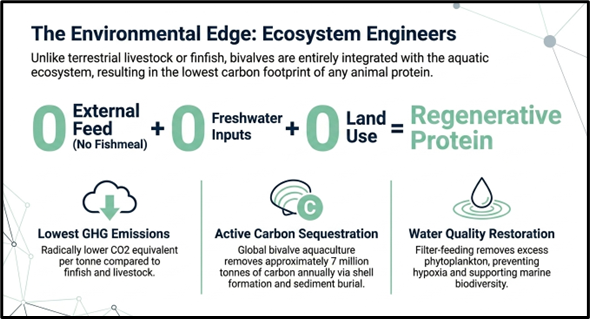
Fig. 30 - Comparison between intensive terrestrial and marine farms with marine mollusc farms
Greenhouse gas emissions
Life cycle assessment (LCA) studies consistently show that bivalve aquaculture generates substantially lower greenhouse gas emissions per tonne of protein than most other animal production systems.
Research published in BioScience (2022) demonstrates that on-farm GHG emissions for finfish production systems have a median of approximately 1,040 kg CO2-equivalent per tonne wet weight, compared to the substantially lower total GHG footprint of bivalve farming.
A key driver is the absence of fishmeal in the production cycle: shellfish LCAs differ considerably from other aquaculture LCAs because bivalve production avoids entirely the environmental burdens associated with fishmeal production (Vélez-Henao et al., 2021).
Carbon sequestration
The relationship between bivalve farming and carbon is more nuanced than a simple 'carbon sink or source' binary.
Recent research published in Science of the Total Environment (Song et al., 2024) reviewed evidence showing that global bivalve aquaculture is expected to remove approximately 7 million tonnes of carbon annually through shell formation. Furthermore, bivalve aquaculture at moderate stocking densities shifts phytoplankton community structure toward smaller, carbon-dense species, potentially increasing total carbon storage in the water column. Bivalve aquaculture also increases sedimentation rates of suspended particles, promoting carbon burial in low-energy coastal environments (Song et al., 2024).
It must be noted that scientific consensus on the net carbon balance of bivalve aquaculture is still developing, and professionals should communicate this as an area of significant promise while acknowledging ongoing research.
Comparison with terrestrial proteins
Replacing a portion of dietary protein from beef, pork, or poultry with bivalve protein represents one of the lowest-carbon dietary substitutions available.
Zhang et al. (2025) review evidence that bivalves are climate-friendly sources of animal protein with very high nutritional quality and argue that such substitutions at scale could contribute meaningfully to climate change mitigation strategies.
Water quality and ecosystem services
Bivalves are ecosystem engineers. Filter-feeding populations improve water clarity by removing excessing phytoplankton and suspended particles, which reduces hypoxia risk and supports the recovery of submerged aquatic vegetation. Their biodeposition contributes to nutrient cycling, and their hard substrate structures provide habitat for other marine organisms (Filgueira et al., 2019).
These services have measurable economic value, though they remain largely unaccounted for in market prices — a policy gap that aquaculture professionals and sector organisations can communicate actively to regulators and planners.
5.3.2 Translating scientific and environmental information into accessible, engaging, and positive messages for consumers
Environmental communication is a distinct discipline with its own evidence base. Simply making accurate claims is not sufficient — framing, tone and format - all significantly affect whether a message is received, understood, and acted upon.
For aquaculture professionals, mastering environmental communication means understanding a few key principles derived from communication science and consumer behaviour research (Wang et al., 2020; Lu et al., 2022???; Yang et al., 2022; Kaimakoudi, 2024).
➔Positive framing outperforms deficit messaging: research in environmental communication consistently shows that messages emphasising what is already being done well — and what can be built upon — generate more positive attitudes and purchase intentions than messages centred on problems and failures. Communicating bivalve aquaculture as a proven, functioning solution to food system sustainability challenges is more effective than cataloguing the environmental failures of other protein sources. The message should be: 'This is what regenerative food production looks like' rather than 'Other proteins are damaging'.
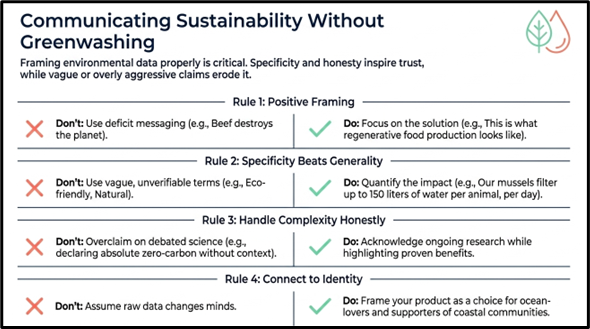
Fig. 31 - Communicating sustainability without greenwashing
➔Specificity beats generality: vague sustainability claims (eco-friendly, green, natural) are increasingly distrusted by consumers who are aware of greenwashing. Specific, verifiable claims: “our mussels require zero inputs and filter up to 150 litres of seawater per animal per day” are more credible and more differentiating. Where possible, these claims should be linked to certification, third-party data, or scientific sources.
➔The role of emotion and identity: environmental communication that connects to a consumer's sense of identity — as someone who cares for the ocean, supports local producers, or makes conscious food choices — is more likely to lead to behaviour change. Consumers do not just buy a product; they buy alignment with values they hold about themselves.
Bivalve farming has long been part of coastal communities, passed down through generations and closely tied to care for the environment—making it a powerful and meaningful subject for identity-focused communication.
➔Handling complexity honestly: the carbon sequestration debate is a legitimate area of scientific uncertainty, and professionals should not overclaim.
A message such as 'bivalve farming has among the lowest carbon footprints of any animal protein, and emerging research suggests significant carbon storage benefits — an area we are actively engaged with' is both accurate and communicates forward momentum.
Acknowledging uncertainty does not undermine credibility — in fact, it often enhances it among educated audiences.
➔Consumer education as a long-term investment: many consumers still do not understand what aquaculture is, where bivalves come from, or why they matter ecologically.
Educational content — short videos, infographics, farm visits, school programmes — builds the foundational awareness on which product-specific messages can then land effectively.
This is a sector-wide responsibility that individual producers, sector associations, and research institutions share.
5.3.3 Selecting appropriate communication platforms (social media, websites, events, educational campaigns) for different audiences
The effectiveness of a communication strategy depends not only on what is said, but on where and how it is said.
Platform selection must follow audience analysis: different segments inhabit different digital and physical spaces, have different information needs, and respond to different formats.
➔Social media (Instagram, TikTok, Facebook): these platforms are optimal for reaching consumers directly, particularly younger demographics.
Short-form video content (15–90 seconds) showing harvesting processes, preparation methods, or behind-the-scenes farm operations generates high engagement. Visual content (photography, infographics) works well for nutritional and environmental claims.
The algorithmic nature of these platforms rewards consistency and interaction over episodic posting.
Key message types: product origin, sensory appeal, environmental credentials, recipes.
➔Websites and long-form digital content: the company website functions as a central credibility hub. It is where professional buyers, journalists, researchers, and interested consumers go to verify claims made elsewhere.
Long-form content — producer profiles, sustainability reports, links to peer-reviewed references — belongs here.
This is also where eco-certifications and third-party endorsements should be prominently displayed.
A well-structured website with up-to-date environmental and nutritional content significantly supports export market development and institutional relationships.
➔Events, markets, and direct-to-consumer channels: farmers' markets, food festivals, restaurant partnerships, and farm visits offer irreplaceable direct contact with consumers.
Tasting experiences are among the most effective conversion tools for bivalve products: sensory engagement bypasses scepticism and creates a direct emotional association with the product.
These events are also ideal settings for storytelling — the producer present in person is the most powerful brand asset available.
➔Educational campaigns and institutional channels: communication targeting schools, health professionals, policymakers, and institutional buyers (hospitals, school canteens, public procurement) requires a different register. Scientific accuracy, institutional endorsements, and policy-relevant framing are essential. Partnerships with public health authorities, universities, or environmental agencies lend credibility and open access to channels not available through commercial marketing alone.
➔B2B communication (restaurants, retailers, distributors): professional buyers require product quality data, food safety documentation, supply reliability assurances, and sustainability credentials presented in a commercially relevant format.
Case studies, product specification sheets, and traceability documentation support purchasing decisions at this level.
Digital platforms such as LinkedIn are effective for maintaining visibility with professional audiences and for positioning sector actors in policy and industry debates.
A practical framework for platform selection is to map each target audience against three variables: where they consume information, what format they prefer, and what decision they are being asked to make. This mapping produces a prioritised channel list that concentrates communication effort where it generates the highest return, rather than dispersing it uniformly across platforms regardless of fit (Zimand-Sheiner, 2024; Kaimakoudi, 2024).
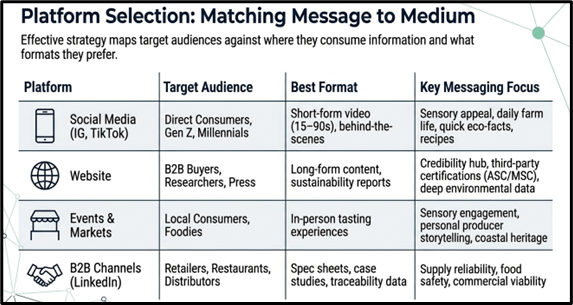
Fig. 32 - How to publicize your product through online platforms
Note on Sources and Scientific Integrity
All pedagogical content in this module is grounded in peer-reviewed scientific literature and sector-specific research.
Key references include publications in Food Chemistry X (Tan et al., 2025), Critical Reviews in Food Science and Nutrition, BioScience, Science of the Total Environment, the International Journal of Life Cycle Assessment, the Journal of Applied Communication Research, the Journal of Brand Management, and reports from FAO (2024), the Global Seafood Alliance (2021), and the Aquaculture Stewardship Council.
Where scientific consensus is incomplete — notably regarding the net carbon balance of bivalve aquaculture — this is acknowledged explicitly in the text.
Professionals are encouraged to consult original sources when developing communication materials, and to update their content as the evidence base evolves.