Reading text
| Site: | Optima Project |
| Course: | Workers' course - ΕΝ |
| Book: | Reading text |
| Printed by: | Guest user |
| Date: | Friday, 2 October 2026, 10:26 PM |
Table of contents
- 3.1 Ecosystem services: definition, typology and EU policy on the matter
- 3.2 Impact of bivalve mollusc aquaculture: carbon Footprint analysis and Life Cycle Assessment
- 3.3 Assessment of the impact of climate change on bivalve production
- 3.4 Understanding the various farm- level strategies to adapt to and mitigate climate change, including species selection and technological innovations
- 3.4.1 Understanding how to fight the damage caused by climate change to bivalve aquaculture (product movement, selection of genotypes or species more resistant to temperature, polyculture to avoid product loss)
- 3.4.2 Recognizes the role of technological innovations (water quality monitoring sensors) in adaptation and mitigation
- 3.4.3 Demonstrating awareness of policies, certifications, and best practices promoting climate-smart aquaculture (FAO, GAA, ASC standards)
3.1 Ecosystem services: definition, typology and EU policy on the matter
Definition of ecosystem services. Understands the concept of ecosystem services, the positive environmental impacts of those provided by bivalve molluscs, and the EU’s strategic guidelines for aquaculture (2021–2030).
3.1.1 Understanding what ecosystem services are
Bivalve mollusc aquaculture is also important for the significant ecosystem services it provides. Bivalves, in fact, play a crucial role in maintaining the health of coastal ecosystems, contributing significantly to the regulation of biogeochemical cycles and the protection of habitats by performing a series of services that we can summarize below.
Seawater filtration
One of the most well-known and ecologically significant ecosystem services provided by bivalve molluscs is their remarkable ability to filter large volumes of water. Through their feeding behaviour, these organisms consume phytoplankton, suspended organic matter, and detritus, effectively improving the quality of the surrounding water. This process, referred to as biological depuration, not only helps reduce water turbidity but also plays a crucial role in lowering excess nutrient levels, particularly nitrogen and phosphorus, which are key contributors to eutrophication. By filtering particulate matter from the water column, bivalves help restore balance in marine ecosystems, reducing the risk of harmful algal blooms (HABs), which can have devastating effects on local biodiversity, water quality, and fisheries. Bivalve filtration also significantly enhances water clarity, which is vital for the health of submerged vegetation such as seagrasses and macroalgae. These plants rely on clear water to photosynthesize effectively, and by improving light penetration, bivalve molluscs indirectly support the productivity of these crucial habitats. Additionally, the filtration process helps promote nutrient cycling, contributing to more stable and productive ecosystems. As highlighted by Smaal and Poutiers (2003), a single individual Mytilus edulis (blue mussel) can filter up to 25 litres of water per day, underscoring the potential of even small populations of bivalves to make substantial improvements to water quality.
This filtration capacity is not only important for maintaining ecological balance but also has significant implications for aquaculture sustainability. For example, in coastal farming systems, bivalve molluscs can reduce the need for external water treatment interventions, making aquaculture operations more environmentally friendly and less reliant on artificial filtration technologies.
A practical example of this service is the European flat oyster (Ostrea edulis), used for nutrient bioextraction in the Mar Menor coastal lagoon in Spain. This species has demonstrated a substantial capacity to mitigate eutrophication by filtering copious quantities of organic matter from the water, thereby improving water quality and aiding ecosystem recovery (Albentosa et al., 2023).
Role of Bivalves in the Carbon and Nutrient Cycle
Bivalve molluscs play a crucial role in the carbon cycle by sequestering carbon dioxide (CO₂) from seawater and incorporating it into their shells, which are primarily composed of calcium carbonate (CaCO₃). This biological process, known as biomineralization, contributes to mitigating climate change by reducing atmospheric CO₂ concentrations. In addition to inorganic carbon sequestration, the biomass of bivalve molluscs serves as an important reservoir of organic carbon. Through their metabolic processes and subsequent deposition in sediments, these organisms facilitate the burial of organic matter, further contributing to the carbon cycle. Although calcification processes release some CO₂ as a byproduct, the net effect of bivalve farming on carbon sequestration remains positive, particularly under well-managed environmental conditions (Heilweck et al., 2023).
Furthermore, bivalve aquaculture provides significant environmental benefits through the sequestration of nutrients such as nitrogen and phosphorus. These organisms filter large amounts of organic particulate from the water, removing excess nutrients that can cause eutrophication in coastal areas.
A study has highlighted that bivalve farming can help remove nutrients, improve water quality and promote the health of marine ecosystems (Gren, 2019). Additionally, integrating bivalve aquaculture into Integrated Multi-Trophic Aquaculture (IMTA) systems can enhance nutrient recovery efficiency, reducing the overall environmental impact of aquaculture.
In conclusion, while the contribution of bivalves to carbon sequestration requires careful management to maximize benefits, their role in the nitrogen and phosphorus cycle represents a crucial ecosystem service for marine environmental health.
The adoption of sustainable management practices in bivalve aquaculture can therefore offer benefits for both food production and environmental protection.
Creation of habitats and nursery areas
Bivalve mollusc farms play a crucial role in creating complex habitats that provide shelter and nourishment for various marine organisms.
The physical structures used in aquaculture, such as ropes, nets, and poles, offer surfaces for sessile epifauna to colonize, creating an intricate habitat matrix. The enriched and diversified sediments beneath these structures provide a favourable environment for infauna, increasing local biodiversity.
Research by Rumohr et al. (2016) highlights that mussel farms can boost biodiversity by supporting a variety of benthic and nektonic species. These farms serve as nursery areas for juvenile fish and invertebrates, improving survival rates by offering protection from predators and favourable conditions for growth.
The increased habitat complexity around bivalve farms promotes ecological interactions that support the productivity and resilience of marine ecosystems.
Bivalve structures also contribute to nutrient cycling and sediment stabilization, essential services for maintaining marine ecosystem health, particularly in areas damaged by human activities.
By integrating these practices, bivalve aquaculture has the potential to enhance ecosystem services, promote biodiversity, and support sustainable fisheries, contributing to the ecological and economic stability of coastal regions.
Coastal erosion protection
Bivalve mollusc farms can help protect coastlines by attenuating wave energy and stabilizing sediments. Farming structures can act as breakwaters, reducing the impact of storm surges on the coastline.
An analysis by Turner et al. (2009) showed that oyster farms can significantly reduce coastal erosion, contributing to the tutelage of coastlines and local communities.
Furthermore, as highlighted in the comprehensive review by van der Schatte Olivier et al. (2018), bivalve aquaculture provides a wide range of ecosystem services, including, as mentioned above, coastal protection. The study emphasizes that the dense, structured habitats created by bivalve farms enhance sediment deposition and reduce erosion, contributing to the overall stability of coastal ecosystems.
By acting as natural barriers, these farms not only preserve shorelines but also improve water quality and promote biodiversity.
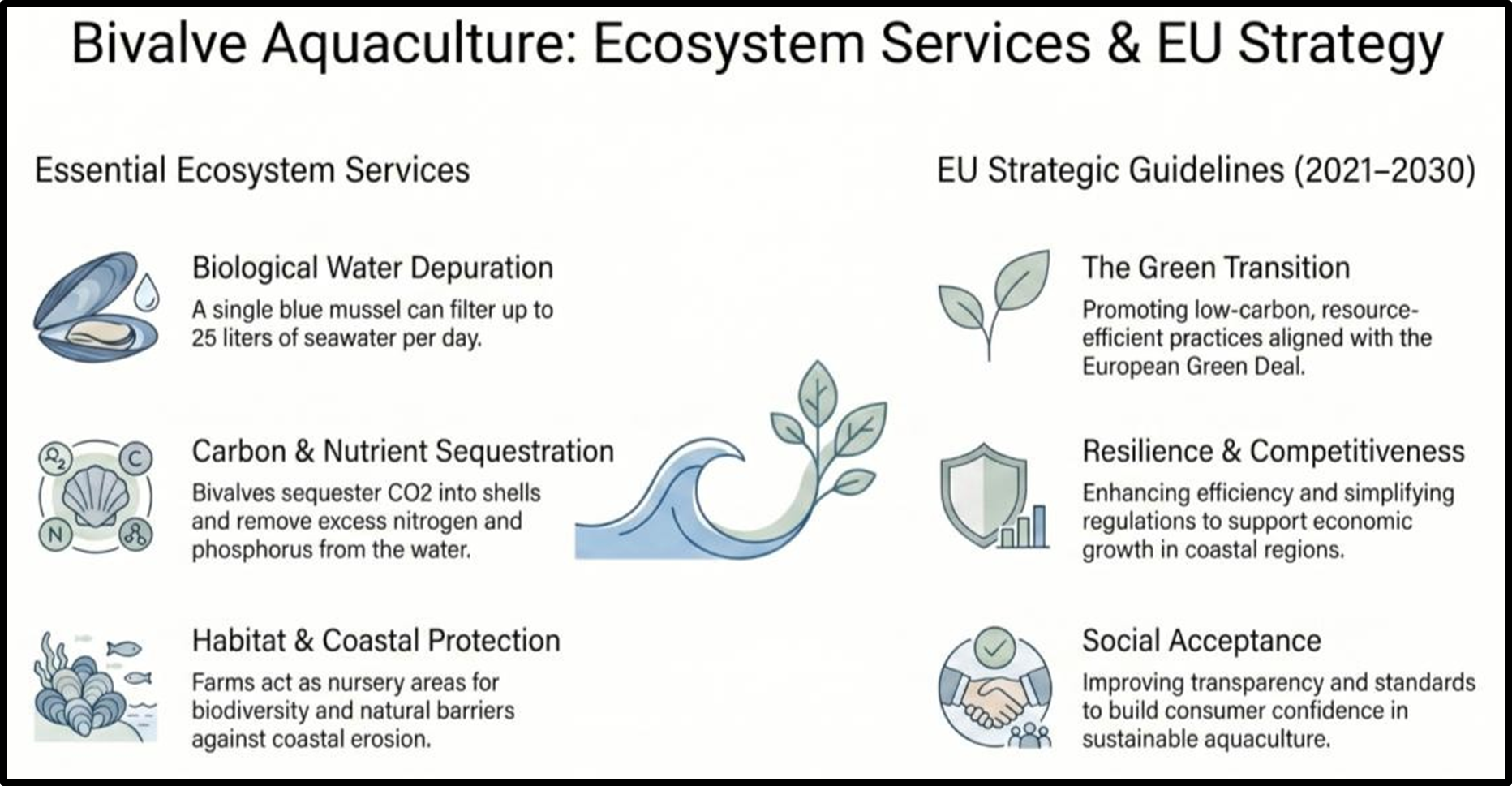
Fig. 20 - Ecosystem services of bivalves and EU strategy, a perfect match
3.1.2 Understanding the positive impact ecosystem services have on the marine environment
In June 2021, the Aquaculture Advisory Council (AAC) published a Recommendation titled ‘The provision of ecosystem services by European aquaculture,’ which underscores the importance of aquaculture in delivering essential ecosystem services. Aligned with the European Green Deal, the Commission's Biodiversity Strategy for 2030 outlines measures to address biodiversity loss, integrating the Farm to Fork Strategy to transition towards a sustainable and equitable food system. These strategies emphasize that preserving biodiversity is integral to sustainable food systems, positioning European aquaculture as a pivotal contributor to biodiversity protection, ecosystem service enhancement, and landscape preservation.
The AAC’s recommendations advocate for the recognition and support of European aquaculture, particularly bivalve mollusc farming, as a provider of critical ecosystem services.
Key proposals include:
- Recognizing aquaculture ecosystems, especially those involving extensive bivalve farming, as part of the natural heritage linked to human productive activities.
- Ensuring coherence between the water register for bivalve farming and its protection, in accordance with the EU’s Water Framework Directive, to promote appropriate regulation and support for the ecosystem services provided, in line with the EU biodiversity strategy.
- Studying, evaluating, and emphasizing the ecosystem services provided by bivalve farming through the financing of research aimed at understanding these aqua-
- Supporting public awareness initiatives to promote sustainable bivalve aquaculture as a low-carbon, biodiversity-enhancing food production system that offers significant ecosystem benefits.
By integrating these insights, it becomes evident that bivalve mollusc farms are more than just food production systems; they are vital components of coastal resilience, contributing to the ecological and economic stability of coastal regions.
3.1.3 Understand the EU's strategic guidelines for aquaculture (2021-2030)
The EU Strategic Guidelines for Aquaculture (2021–2030), developed by the European Commission, provide a coordinated framework to support the development of a sustainable, competitive, and resilient aquaculture sector across EU Member States. They are designed to guide national policies while contributing to broader EU priorities such as the European Green Deal, with a strong focus on environmentally responsible food production, economic growth, and job creation in coastal and rural regions.
The overall vision of the guidelines is to establish an aquaculture sector that balances environmental, economic, and social objectives. This means developing production systems that minimise environmental impact while remaining economically viable and globally competitive. At the same time, the sector should be transparent and socially accepted by consumers and communities, with strong emphasis placed on innovation, research, and knowledge to support long-term sustainability.
The guidelines are built around four core priorities that shape the future direction of EU aquaculture.
The first priority focuses on improving competitiveness and resilience by enhancing efficiency, simplifying administrative procedures, and ensuring better access to suitable sites and water resources.
The second priority supports the green transition, aiming to reduce environmental impacts, promote low-carbon and resource-efficient practices, and strengthen the sector’s ability to adapt to climate change.
The third priority addresses social acceptance and consumer confidence by encouraging transparency, improving product information and labelling, and maintaining high standards in areas such as food safety and animal welfare.
The fourth priority highlights the importance of knowledge, innovation, and digitalisation, promoting investment in research, new technologies, data systems, and workforce skills to drive future growth.
To support these priorities, the guidelines identify a range of key action areas that Member States are encouraged to address. These include improving access to space through marine spatial planning, simplifying regulatory and licensing procedures, and enhancing environmental performance across aquaculture operations. Additional actions focus on strengthening animal health and welfare, supporting market development and value chains, increasing public awareness and communication, and advancing innovation through better data collection, research, and technological development.
The guidelines are not legally binding but act as a strategic framework to coordinate action across the EU.
Member States are expected to translate these objectives into national policies by developing or updating their National Aquaculture Plans.
Implementation is supported through EU funding mechanisms, particularly the European Maritime, Fisheries and Aquaculture Fund, which provides financial assistance for sustainable development, innovation, and sector growth.
Overall, the EU Strategic Guidelines for Aquaculture (2021–2030) provide a comprehensive roadmap for developing a modern aquaculture sector that balances growth with sustainability. By focusing on competitiveness, environmental responsibility, social acceptance, and innovation, the guidelines aim to ensure the long- term viability and positive contribution of aquaculture within the European Union.
3.2 Impact of bivalve mollusc aquaculture: carbon Footprint analysis and Life Cycle Assessment
Impact of bivalve mollusc aquaculture on the environment and biodiversity: even if moderate, what are the main sources of impact in the sector and how to manage them?
3.2.1 Understand what the potential impacts of bivalve mollusc farming are and how can these potential impacts be mitigated
Life cycle assessment (LCA) is a fundamental tool for assessing the ecological footprint of any activity. This analysis can also be applied to bivalve mollusc aquaculture to identify strategies to improve its sustainability.
LCA allows you to assess the environmental impact of a product or process throughout its life cycle, from the production of raw materials to waste disposal. There are different approaches to conducting LCA, and two widely used methods are the "cradle- to- grave" and "cradle- to- gate" models.
- Cradle- to- grave is a comprehensive LCA approach that considers the entire life cycle, from the extraction of raw materials to the end-of-life phase, including transportation and waste disposal. This method is particularly valuable when evaluating the environmental impacts associated with the full cycle of bivalve mollusc aquaculture, from juvenile production, farming, and harvesting to distribution and consumption.
- On the other hand, the cradle- to- gate approach focuses only on the stages before the product leaves the farm, such as juvenile production, farming, and harvesting. This method helps in focusing on direct operational activities and is useful for improving the efficiency and sustainability of the farming process itself.
In both cases, LCA helps to:
- Quantify the carbon footprint by measuring greenhouse gas
- Evaluate resource use, analysing the consumption of water, energy, and raw
- Identify environmental impacts such as eutrophication, ocean acidification, and
- Compare farming practices to identify the most sustainable
The life cycle of bivalve mollusc aquaculture includes several phases, each with a specific contribution to the carbon footprint:
- Juvenile production: In some types of farming, there is a phase in which juveniles are produced in This phase requires energy to operate the hatchery facilities. In many cases, the use of hatcheries is avoided by using juveniles taken directly from the sea breeding areas (nursery areas).
- Farming stage: Farming-related emissions are mainly due to the energy consumption for harvesting and processing bivalve molluscs: harvesting molluscs requires fuel consumption for boats, while processing requires energy for cleaning, packaging and
- Distribution and consumption: The transport of finished products to consumer markets and the disposal of packaging contribute to the overall carbon footprint.
3.2.2 Know better the Carbon Footprint and the LCA
Assessing the carbon footprint of marine bivalve aquaculture certainly requires an accurate estimate of the CO2 release associated with capital goods and aquaculture operations, but it is important in this case to also consider the metabolic CO2 budget of the farmed species (Alvarez-Salgado et al, 2022). Site-specific environmental conditions and culture methods also significantly influence the estimates.
Numerous studies have shown that bivalve mollusc aquaculture has a significantly lower carbon footprint than other animal productions, such as cattle or pig farming. This is mainly due to the fact that bivalve molluscs are fast-growing animals and have low energy requirements, as they feed mainly by filtering seawater (Crawford et al., 2003; Dumbauld et al., 2009).
The ability of bivalve molluscs to sequester carbon is also a topic of growing interest in scientific research. Through the process of filtration, these organisms assimilate calcium carbonate from seawater to form their shells. This calcium carbonate, once deposited on the seabed when the organism dies, can remain sequestered for thousands of years, thus helping to reduce atmospheric carbon dioxide concentrations.
Carbon sequestration mechanisms:
- Biomineralization: Shell formation is the primary process by which bivalve molluscs sequester carbon.
- Sedimentation: Upon death, shells settle to the seafloor, contributing to the formation of calcareous banks and sediments.
Factors influencing carbon sequestration:
- Species: Different bivalve mollusc species have different growth and calcification rates, influencing the amount of carbon sequestered.
- Environmental conditions: Temperature, salinity, food availability and other environmental factors can influence the growth and calcification of molluscs.
- Farm management: Farm management practices, such as stocking density and harvest frequency, can influence the amount of carbon sequestered.
- Farming system: There are different farming techniques, each with its own advantages and disadvantages in terms of sustainability.
- Location: The environmental conditions of the farm site (e.g. water quality, depth, currents) significantly influence the impact.
- Waste Management: Proper management of waste produced by livestock farming is essential to minimize pollution.
Bivalve aquaculture has an exceptionally low carbon footprint: Greenhouse Gas (GHG) emissions for mussel, oyster and rope-cultured bottom mussel production are 107 kg CO2 eq./tonne, 235 kg CO2 eq./tonne and 824 kg CO2 eq./tonne respectively.
Diesel fuel use for workboats is the largest GHG emitter for mussels, accounting for almost 90% of emissions. Consumables in the mussel sector account for only a small fraction of total emissions (less than 10%).
Similarly, diesel fuel for tractors was the largest GHG emitter in the oyster sector, accounting for almost 60% of emissions.
Overall, emissions from the Irish bivalve mollusc aquaculture sector are low, contributing less than 1% of Irish seafood greenhouse gas emissions.
To further reduce the carbon footprint of bivalve mollusc aquaculture, sustainable management and circular economy practices are needed.
In the bivalve mollusc aquaculture field, the application of circular economy principles can lead to significant environmental and economic benefits.
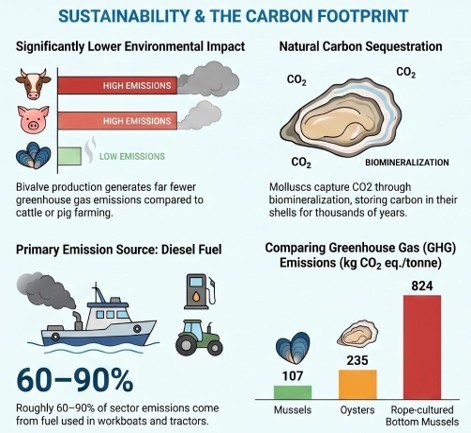
Fig. 21 - Difference in carbon footprint between livestock and bivalve farming. Main impacts of bivalves
- Optimizing energy consumption: Use of renewable energy, improving energy efficiency and adopting monitoring and control systems.
- Reduction, reuse and recycling: Minimize waste production, reuse materials and products for as long as possible and recycle those that are no longer usable.
- Optimizing logistics: Reducing transport distances and using eco-sustainable
- Valorisation of by- products: Recovery and valorisation of by-products from bivalve processing, such as shells, to reduce waste and generate new products.
- Integrated aquaculture: Integrating aquaculture with other activities, such as breeding other species, can optimize the use of resources and reduce environmental impacts.
Aquaculture produce has a small carbon footprint which will contribute to the statutory carbon reduction targets. Low carbon food production enterprises have the potential to increase availability and food security of nutritious seafood to consumers.
Assessing the carbon footprint of marine bivalve aquaculture demands an accurate estimation of the CO2 release associated to capital goods and aquaculture operations but also to the metabolic CO2 budget of the farmed species (Alvarez-Salgado, 2022).
There are discrepancies on the considered processes: how to include and estimate the carbon budget, and how the scale should be applied ranging from individual to ecosystem. Site-specific environmental conditions and culture methods also significantly affect the estimates.
Alvarez-Salgado et al, 2022 found in their study of the metabolic CO2 budget for mussel aquaculture in the coastal inlets of the Northwest Iberian upwelling that there was large variability depends on mussel seeding time and harvesting size, due to the differential seasonal growth patterns of flesh and shell.
Inclusion of the CO2 potentially immobilised in mussel faeces buried in the sediments would lead to a reduction of the metabolic carbon footprint estimates by up to 6 % compared with the individual estimates.
3.3 Assessment of the impact of climate change on bivalve production
Impact of climate change on bivalve production in the EU: crucial issues and solutions.
3.3.1 Understand the impacts of climate change on aquaculture systems (temperature, salinity changes, oxygen depletion, extreme weather events)
Climate change is having significant and wide-ranging effects on aquaculture systems, influencing environmental conditions that are critical for the survival and growth of farmed fish, shellfish, and seaweed.
One of the most important impacts is rising water temperature. As temperatures increase, the metabolism of aquatic species also rises, which can initially enhance growth rates. However, once temperatures exceed optimal levels, organisms experience thermal stress, leading to reduced growth, weakened immune systems, and in severe cases, mortality. Warmer waters also promote the spread of diseases and parasites, making aquaculture stocks more vulnerable to outbreaks.
Changes in salinity are another major concern, particularly in coastal and estuarine systems. Climate change alters rainfall patterns and increases the frequency of droughts and floods, which can significantly shift salinity levels. These fluctuations create stress for aquatic organisms as they must use more energy to maintain internal balance, a process known as osmoregulation. Sudden or extreme changes in salinity can reduce growth rates or even cause mass die-offs, especially in species that are not highly tolerant to such variations.
Oxygen depletion, or hypoxia, is also becoming more common in aquaculture environments due to rising temperatures and nutrient pollution. Warmer water holds less dissolved oxygen, while increased nutrient runoff can lead to algal blooms that further reduce oxygen levels when they decompose—a process linked to Eutrophication. Low oxygen conditions place significant stress on aquatic organisms, limiting their feeding and growth and increasing their susceptibility to disease. In extreme cases, hypoxia can result in large-scale fish kills, causing serious economic losses.
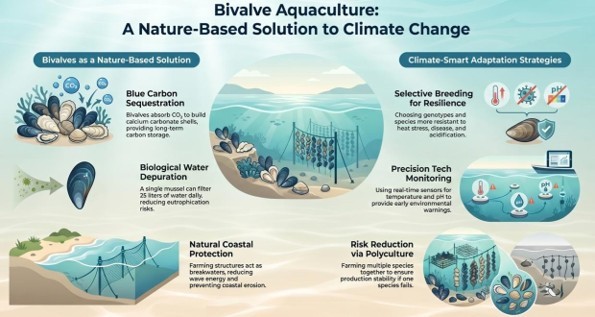
Fig. 22 - Some solution for fighting climate change
In addition, the increased frequency and intensity of extreme weather events, driven by Climate Change, pose a direct threat to aquaculture infrastructure and operations. Storms and flooding can damage cages, ponds, and other facilities, leading to the loss of stock and costly repairs. Floodwaters may also introduce pollutants, sediments, and pathogens into aquaculture systems, further degrading water quality. These events can disrupt feeding schedules, harvesting, and overall farm management, making aquaculture more unpredictable and riskier.
Overall, the combined effects of rising temperatures, changing salinity, oxygen depletion, and storm events reduce productivity, increase operational costs, and create greater uncertainty for aquaculture industries. As a result, adapting to these changing conditions has become essential for maintaining sustainable aquaculture practices.
3.3.2 Solutions against climate change impacts on bivalve mollusc aquaculture
Bivalve molluscs contribute significantly to the carbon cycle by absorbing carbon dioxide (CO₂) from seawater and storing it in their calcium carbonate (CaCO₃) shells through biomineralization, helping to lower atmospheric CO₂ levels. Their biomass also acts as a reservoir of organic carbon, as biological activity and sediment deposition promote the long-term burial of organic matter. Although shell formation releases some CO₂, the overall impact of bivalve farming on carbon storage is positive, especially under well-managed environmental conditions (Heilweck et al., 2023).
According to Lalli et al. (2010), mussel farming systems can sequester significant amounts of "blue carbon," providing the dual benefit of food production and environmental protection.
Recent studies suggest that the expansion of bivalve aquaculture could be strategically employed as a nature-based solution to mitigate the impacts of climate change, complementing terrestrial carbon sequestration efforts.
3.4 Understanding the various farm- level strategies to adapt to and mitigate climate change, including species selection and technological innovations
Adaptation and mitigation strategies at the farm level (e.g., species/variety selection, area relocation, technological innovations).
3.4.1 Understanding how to fight the damage caused by climate change to bivalve aquaculture (product movement, selection of genotypes or species more resistant to temperature, polyculture to avoid product loss)
Aquaculture farmers are increasingly adopting a range of farm-level strategies to both adapt to and mitigate the impacts of Climate Change.
One of the most important approaches is species and genotype selection. Farmers can choose species or strains that are more tolerant to higher temperatures, fluctuating salinity, and low oxygen conditions. In bivalve aquaculture (such as mussels and oysters), this includes selecting or breeding genotypes that show greater resistance to heat stress, disease, and acidification. For example, selectively bred oyster strains can better withstand warmer waters and changing environmental conditions, helping maintain productivity even as climates shift.
Another key strategy is area relocation and site selection. As environmental conditions change, farmers may move production to areas with more suitable temperatures, better water quality, or more stable salinity levels. This could involve shifting farms to deeper waters, different coastal zones, or regions less exposed to extreme weather events. In bivalve farming, relocating culture lines or beds can help avoid areas prone to harmful algal blooms, hypoxia, or excessive warming.
To specifically address climate-related risks in bivalve aquaculture, farmers are also adopting product movement strategies. This involves moving stock between sites or depths to avoid unfavourable conditions, such as transferring shellfish to cooler waters during heatwaves or away from areas experiencing poor water quality. This flexibility helps reduce mortality during extreme events.
Another effective strategy is polyculture, where multiple species are farmed together. In bivalve systems, combining species (e.g., mussels with oysters or seaweed) can reduce overall risk. If one species is negatively affected by a climate-related stressor, others may still thrive, ensuring that farmers do not lose their entire production. Polyculture can also improve water quality, as some species (like seaweed) absorb excess nutrients, helping to counteract processes like Eutrophication.
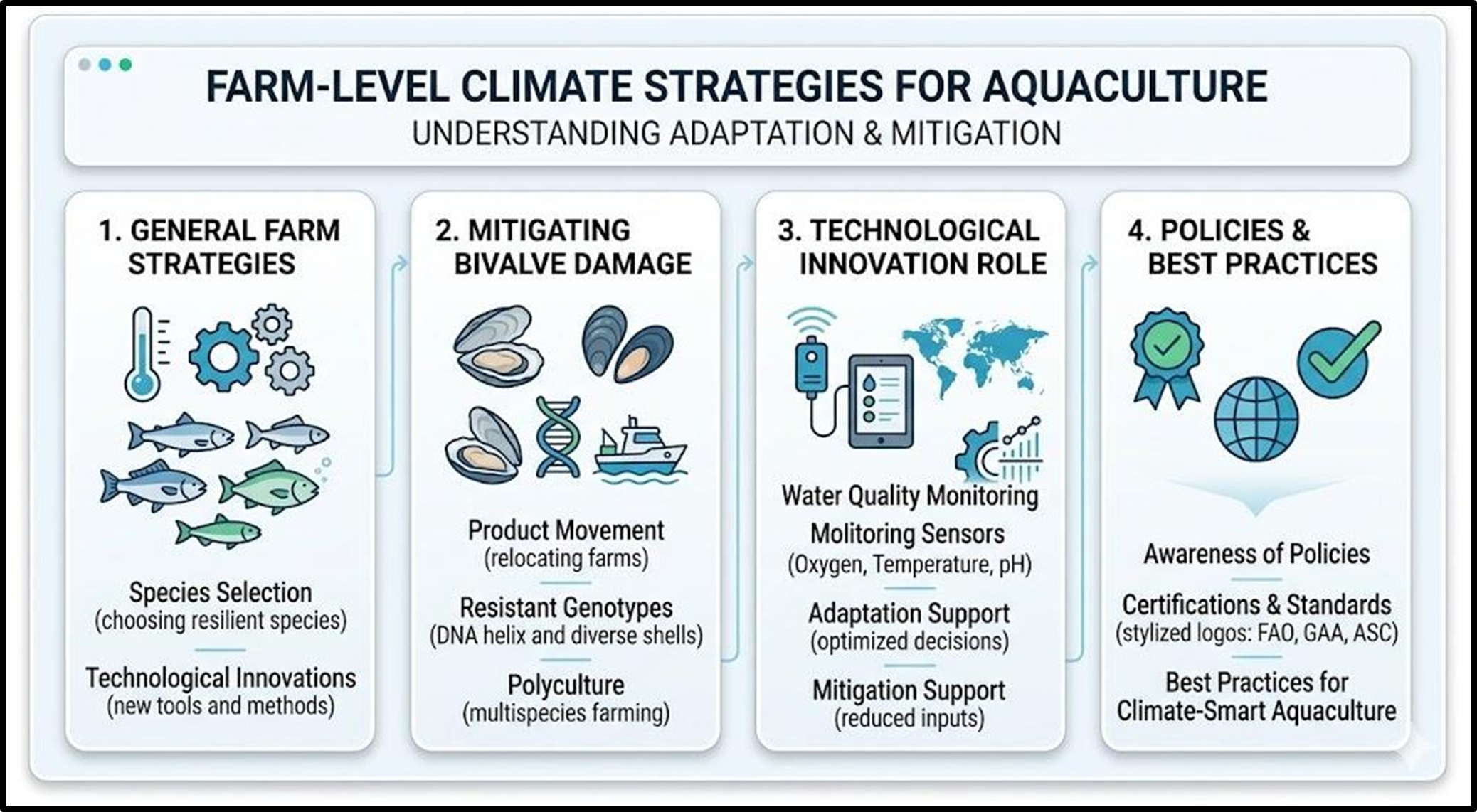
Fig. 23 - Adaptation and mitigation of climate change in bivalve aquaculture
Overall, these farm-level strategies—ranging from selective breeding and relocation to technological innovation and diversified farming systems—are essential for building resilience in aquaculture. By adopting a combination of these approaches, particularly in vulnerable sectors like bivalve farming, producers can better cope with environmental changes while maintaining sustainable and productive operations.
3.4.2 Recognizes the role of technological innovations (water quality monitoring sensors) in adaptation and mitigation
Technological innovations such as water quality monitoring sensors are becoming central to how aquaculture farms adapt to and mitigate the impacts of Climate Change. In shellfish mollusc aquaculture (such as oysters, mussels, and clams), these tools are particularly valuable because bivalves are extremely sensitive to subtle changes in their surrounding environment and cannot be easily moved or controlled once deployed in open water systems.
At the core of these innovations are real-time sensor networks that continuously measure key environmental parameters such as temperature, dissolved oxygen, salinity, pH, and chlorophyll levels.
These sensors can be deployed directly on longlines, rafts, or seabed culture systems used in shellfish farming. By providing continuous data, they allow farmers to detect early signs of environmental stress—such as warming events, drops in oxygen, or harmful changes in salinity—before they reach critical levels.
This supports adaptation by enabling rapid responses, such as adjusting stocking density, delaying harvesting, or implementing product movement strategies (e.g., relocating shellfish to more suitable sites or depths).
In bivalve aquaculture, sensors are especially important for monitoring risks linked to Eutrophication and harmful algal blooms (HABs). For example, chlorophyll and turbidity sensors can indicate phytoplankton increases, while oxygen sensors can detect hypoxic conditions caused by algal decay. Early warning systems based on these measurements help farmers avoid harvesting during toxic bloom events, protecting both stock and consumer health, and reducing economic losses.
Another important role of sensor technology is in improving decision-making and farm management efficiency. Data collected from sensors can be integrated into digital platforms or models that forecast environmental changes, allowing farmers to plan ahead for heatwaves, storms, or seasonal shifts.
In shellfish hatcheries, precise monitoring of temperature, pH, and salinity is essential for larval development; sensors ensure stable conditions, improving survival rates and enabling the production of more resilient juveniles (spat).
From a mitigation perspective, these technologies also help reduce the environmental footprint of aquaculture. By optimizing stocking densities and harvest timing based on real-time conditions, farmers can prevent overexploitation of local resources and reduce waste accumulation. Monitoring oxygen and nutrient levels helps avoid excessive organic buildup that can worsen local water quality and contribute to further environmental degradation.
In integrated systems (e.g., shellfish combined with seaweed), sensors can track how effectively nutrients are being removed, supporting more sustainable practices.
Examples in shellfish mollusc aquaculture include:
- Smart buoy systems equipped with multi-parameter sensors that transmit live data to farmers’ phones or computers, commonly used in oyster farms.
- Fixed sensor arrays on mussel longlines that monitor depth-specific temperature and oxygen, helping farmers decide optimal harvesting times or detect stratification.
- Hatchery monitoring systems that tightly control pH and temperature to counter ocean acidification effects on oyster larvae.
- Early warning networks for harmful algal blooms, where regional sensor data is shared among multiple farms.
Overall, water quality monitoring sensors provide a powerful tool for both adapting to changing environmental conditions and mitigating negative impacts.
In shellfish aquaculture, where farmers depend heavily on natural water conditions, these technologies enhance resilience, reduce risk, and support more sustainable and informed management practices.
3.4.3 Demonstrating awareness of policies, certifications, and best practices promoting climate-smart aquaculture (FAO, GAA, ASC standards)
Climate-smart aquaculture is supported by a range of international policies, certification schemes, and best practices that aim to make fish and shellfish farming more sustainable, resilient, and environmentally responsible.
Key organisations such as the Food and Agriculture Organization (FAO), Global Aquaculture Alliance (GAA), and Aquaculture Stewardship Council (ASC) play a significant role in guiding these efforts.
The FAO provides global guidance through frameworks and recommendations that promote sustainable aquaculture development. It encourages practices that reduce environmental impacts, improve resource efficiency, and help farms adapt to climate change—for example, better site selection, ecosystem-based management, and responsible use of water and feed. FAO policies also emphasize resilience, helping farmers prepare for risks like extreme weather and changing water conditions.
Certification schemes such as those developed by the Global Aquaculture Alliance (through its Best Aquaculture Practices, BAP) and the Aquaculture Stewardship Council (ASC) set clear standards that farms must meet to be recognised as sustainable. These certifications focus on areas such as water quality management, biodiversity protection, animal health, and social responsibility. In the context of climate change, they encourage reduced pollution, efficient energy use, and careful monitoring of environmental conditions. For shellfish farming, ASC standards also promote maintaining good water quality and protecting surrounding ecosystems.
Best practices promoted under these frameworks include regular water quality monitoring, responsible stocking densities, use of resilient species or strains, and reducing waste outputs. They also support innovations like integrated multi-trophic aquaculture (e.g., combining shellfish with seaweed), which can improve environmental performance.
Overall, these policies and certifications help ensure that aquaculture systems are better prepared for climate change while minimizing their impact on the environment.