Reading text
| Site: | Optima Project |
| Course: | Workers' course - ΕΝ |
| Book: | Reading text |
| Printed by: | Guest user |
| Date: | Friday, 2 October 2026, 10:28 PM |
Table of contents
- Introduction
- 4.1 Understanding national and international markets for bivalve molluscs, including consumer trends and behaviour
- 4.1.1 Understanding the structure and dynamics of the national and international markets for bivalve molluscs farmed in the countries that are part of the OPTIMA consortium
- 4.1.2 Understanding consumer preferences and behaviour with respect to bivalve products (species, freshness, origin, sustainability)
- 4.1.3 Understanding the role of marketing strategies (branding, traceability, eco- labelling) in promoting bivalve products
- 4.1.4 Economic enhancement models and tools for the remuneration of ecosystem services (Payments for Ecosystem Services - PES)
- 4.2 Knowledge of labelling, traceability and certification requirements for market access.
- 4.3 Ability to identify and pursue new market and product opportunities to increase business resilience
- 4.3.1 Recognising potential niche markets (production of eco-certified, organic or locally branded bivalves)
- 4.3.2 Understanding the opportunities associated with market diversification and technological innovation
- 4.3.3 Demonstrate the ability to use digital tools and e-commerce platforms to reach new customers
Introduction
The marketing of bivalve molluscs is consolidating its position as a strategic asset within the European Blue Economy. In this competitive transnational ecosystem, the five countries involved in the OPTIMA project – Italy, France, Spain, Greece and Ireland – have complex supply chain architectures, 90% of which are supported by micro- enterprises with fewer than ten employees, which act as irreplaceable socio-economic pillars for coastal communities. Access and positioning in today's markets require the implementation of advanced differentiation strategies, where certifications of origin, measurable sustainability and technological innovation act as value catalysts. France represents the benchmark paradigm in this respect, with an annual production of over 80,000 tonnes of oysters enhanced through a widespread application of territorial marketing based on the adoption of stringent protection marks, such as the PGI Marennes Oléron and the Label Rouge. It favours a disintermediation model in which over 50% of volumes are allocated through direct sales channels, maximising company margins.
This approach contrasts with the hyper-productive model of Spain, a true continental giant with around 250,000 tonnes of mussels farmed on bateas in the Galician rías; in this context, the strategic use of the "Mejillón de Galicia" PDO has a dual function: on the one hand, it is an identity branding tool, and on the other, it is a fundamental protective trade barrier to stem the competitive pressure of low-cost non-EU production, such as that from Chile.
This strategy is accompanied by a powerful canning industry, capable of processing fresh produce and production surpluses, significantly extending their shelf-life. Within the Mediterranean basin, Italy, the leader in terms of clam and mussel farming volumes, is reorienting its marketing levers towards ecological integrity and local excellence, highlighting an exponential growth in organic certifications, driven by about seventy operators active in the lagoons of Veneto and Emilia-Romagna, and capitalising on absolute unique features such as the PDO of the Cozza di Scardovari.
Competitiveness in this case is strongly linked to food safety: in Italy, Spain and France, the infrastructure of shipping and purification centres (CSM) and the strict hygienic and sanitary classification of water are sine qua non requirements for access to large-scale retail trade. In terms of production that is structurally oriented towards export, Greece has historically sent between 80% and 90% of its mussel biomass to Iberian and Italian processing centres.
Despite a delay in the implementation and use of quality marks and certifications, and a bureaucratic impasse linked to the establishment of Allocated Zones for Aquaculture (AZA), the Greek sector is repositioning its offer by adopting international food safety and sustainability standards, such as ISO 22000, IFS and ASC certifications, in order to directly penetrate the lucrative Northern European markets and counter the critical issues linked to unauthorised supply chains. Similarly projected onto international markets, but with a diametrically opposed niche positioning, is the Irish sector, which takes advantage of the exceptional trophic status and purity of its coastal waters to minimise post-harvest treatments; institutionally supported by the government's Origin Green sustainability programme, Irish products – in particular oysters marketed under the "Irish Rock Oysters" brand – are successfully entering the Asian market segment. To support and validate these complex commercial narratives, the entire European supply chain is accelerating the digital transition: the implementation of blockchain platforms and smart labels now guarantees unequivocal traceability that increases consumer confidence, while the experimentation with Integrated Multitrophic Aquaculture (IMTA) systems opens up new interconnected production paradigms.
In the near future, the strategic marketing horizon for European shellfish farming lies in the monetisation and communication of ecosystem services: promoting bivalves not only as a high-quality, very low-impact protein source, but as true "environmental engineers" capable, on the one hand, of building natural reefs in which biodiversity thrives, and on the other, of ensuring active biofiltration and carbon sequestration in their shells, is the right way to reach the undecided, increase product acceptability and ensure the expansion of the sector.
4.1 Understanding national and international markets for bivalve molluscs, including consumer trends and behaviour
The integrated analysis of the European bivalve mollusc markets outlines a complex production and commercial ecosystem, in which biological variables, hydrological conditions and socio-economic traditions come together to determine the strategic positioning of individual national supply chains. In the Blue Economy landscape, bivalve mollusc aquaculture represents a crucial sector that is divided between mature absorption basins, where domestic demand is high, and production ecosystems that are primarily export-oriented.
This dichotomy is clearly evident when observing the operational dynamics of Italy, France and Spain on the one hand, and Greece and Ireland on the other. In Italy, clam and mussel farming are based on historically rooted domestic consumption, but companies in the sector are now called upon to implement adaptation strategies to mitigate the impact of climate change on production; phenomena such as anoxia in the lagoon basins of the Upper Adriatic and the proliferation of invasive non-native species are forcing a review of risk management models and a push towards quality certification to defend the profit margins of the fresh product.
The French system is complementary in terms of market maturity, but divergent in terms of business model, and represents the European benchmark for the promotion of the raw product. French oyster farming bases its competitive advantage on the concept of "merroir". Merroir is the marine equivalent of the "terroir" of wine.
The term describes how the unique habitat in which a mollusc grows – including currents, temperature, salinity and phytoplankton – determines its flavour, texture and mineral nuances. A synergistic interaction between local hydrodynamics, trophic availability of phytoplankton and maturation techniques in the transition basins. This bio-cultural approach allows for strong commercial segmentation based on condition and size indices, while also facilitating disintermediation of the logistics chain through direct sales channels that maximise the return on investment for the individual farmer. Moving to the Iberian Peninsula, Spain offers an industrial paradigm based on economies of scale and vertical integration of the supply chain. Taking advantage of the high primary productivity guaranteed by the upwelling phenomena in the Galician rías, the suspended farming systems generate impressive biomass volumes, the absorption of which is guaranteed not only by the massive consumption in the catering sector, but above all by a structured canning industry. The latter acts as a thermal and temporal stabiliser for the product, extending its shelf life and transforming production surpluses into high added-value products, ensuring exceptional resilience to the shocks of fresh produce logistics. In terms of countries with a markedly export-oriented vocation, Greece is one of the main hubs for the supply of bivalve biomass for the Mediterranean basin. Benefiting from favourable oceanographic conditions in the Gulf of Thermaikos, Greek mussel farming produces significant volumes which, given the limited domestic market, are mainly exported as a bulk product to shipping centres in Italy and Spain.
The strategic update for this sector lies in the transition from a raw material export approach to a model based on in situ processing, through the implementation of local relaying and purification centres that allow the added value to be retained within national borders. Finally, Ireland represents excellence in niche exports, based on maintaining a high level of ecological quality in its coastal waters. Irish production, developed on low- impact offshore and intertidal facilities, is only partly aimed at the domestic market, targeting markets such as France and Asia, thanks to the absence of significant anthropogenic pressures and the adoption of strict environmental sustainability and phytosanitary monitoring protocols. Observation of these five countries and their operating models within the European regulatory framework shows that the future competitiveness of aquaculture businesses is inextricably linked to their capacity for ecological and digital transition. The resilience of the supply chain will require the systematic adoption of technologies for IT traceability, the development of new distribution channels to bypass the vulnerabilities of the traditional sector, and the adaptive management of the carrying capacity of ecosystems in response to ocean acidification and warming, thus transforming environmental compliance from a mere regulatory constraint to the main driver towards high-margin international markets.
The pandemic has accelerated significant changes, favouring direct sales and e- commerce, especially in France and Italy.
In Spain, there has been a reorganisation of the supply chain in response to the closure of the Ho.Re.Ca. channel.
Understanding these markets requires an integrated analysis of economic, social and environmental factors.
Companies operating in multiple countries must adapt their strategies to local specificities, taking into account consumer preferences and national regulations. This approach makes it possible to seize growth opportunities and mitigate the risks associated with market instability.
4.1.1 Understanding the structure and dynamics of the national and international markets for bivalve molluscs farmed in the countries that are part of the OPTIMA consortium
The bivalve mollusc market represents a fundamental pillar of the European blue economy, contributing 30% of the total turnover of EU aquaculture in 2021, with a value of around €1.27 billion.
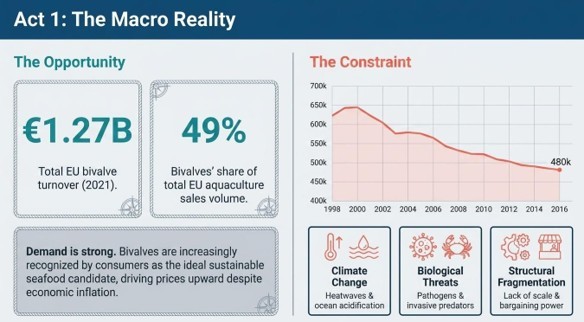
Fig. 24 - The macro reality of the bivalve mollusc aquaculture sector in the EU.
The structure of this sector is characterised by a very high prevalence of micro and small enterprises that provide widespread support for employment in coastal communities. In the five countries examined, there are profoundly different organisational models: in Italy and Spain, the supply chain is centred on producer cooperatives and consortia that seek to counteract the atomisation of the sector in order to gain greater bargaining power vis-à-vis large retailers. In Spain, in particular, the PDO "Mejillón de Galicia" and the Producer Organisations (POs) manage industrial volumes (around 250,000 tonnes per year), closely integrating with the canning industry. Italy, despite being the European leader in the production of clams, suffers from greater fragmentation in mussel farming; despite the presence of a PDO certification for the Scardovari mussel, internal competition between micro-enterprises scattered along the coasts is very high.
In contrast, France has an extremely mature and specialised market, where value is guaranteed by prestigious labels such as Label Rouge and the PGI Marennes Oléron, and where direct sales at the farm or local markets often exceed 50% of production, ensuring higher profit margins for the producer. Ireland has developed a model oriented almost exclusively towards exports to Asian countries. The government and institutions are supporting this model and have ensured that almost all products leaving the country are certified.
There is no mussel production in Ireland that is not MSC-certified, a label that has been obtained both for mussels farmed on the seabed and for those farmed in offshore longline facilities. For oysters, on the other hand, certifications are guaranteed by national certifications such as the Origin Green national sustainability programme. Greece, on the other hand, operates as an export hub (80-90% of production) to Italy and Spain, but suffers from a more individualistic structure, a lack of quality labels and bureaucratic delays in the establishment of AZA (Allocated Zones for Aquaculture) zones.
The dynamics of these markets are intrinsically linked to environmental and health factors: the classification of the waters (Class A, B or C) determines the operating costs, since molluscs from areas that are not excellent must pass through purification or relaying centres before sale. In Ireland, the high natural quality of the water represents a unique competitive advantage, often allowing direct marketing. However, climate change is altering these balances, with heat waves that in 2024 caused widespread die- offs in the Mediterranean (with temperatures of 30°C for months) and the physiological failure of the byssus in mussels.
These crises often force sales below cost to save the product, depressing market prices. At the international level, the main challenge remains competition from non-EU countries, such as Chile, which exports mussels to the EU at very low prices, sometimes with misleading labelling, putting pressure on local producers. The resilience of the European sector therefore depends on the ability to diversify production (e.g. by introducing oyster farming in Italy) and to monetise the ecosystem services provided by bivalves, such as carbon sequestration and water biofiltration.
With regard to regulations for the trade of products, access to the single market and exports, these are governed by strict European health standards, in particular by the so- called "Hygiene Package" (EC Regulations 852/2004 and 853/2004), which establishes specific rules for products of animal origin intended for human consumption. Each batch of live bivalve molluscs intended for marketing or reintroduction into the marine environment must be accompanied by harmonised health certificates guaranteeing their traceability and the absence of pathogens or marine biotoxins. For trade with third countries (non-EU), the European Union imposes strict official controls through the TRACES (Trade Control and Expert System) system, which monitors import flows to prevent the introduction of exotic diseases or invasive alien species.
These regulations ensure that the European product maintains its premium positioning, offering food safety guarantees superior to those of global competitors. A thorough understanding of these regulations and price fluctuations – which peak during the holidays, especially in France for oysters – is essential to enable operators to plan seeding and harvesting cycles that mitigate the economic risks associated with seasonality and environmental crises.
4.1.2 Understanding consumer preferences and behaviour with respect to bivalve products (species, freshness, origin, sustainability)
Understanding consumer preferences and behaviour towards bivalve molluscs is essential for designing effective marketing strategies, particularly in relation to market access, certification, supply chain transparency and product innovation.
Across Europe, consumer choices are influenced by characteristics such as species, freshness, origin and sustainability, although significant differences emerge between countries.
In Italy, consumer preferences are strongly influenced by perceptions of safety, freshness and traceability. Due to the potential health risks associated with bivalves, trust in certifications and supply chains plays a fundamental role. Italian consumers are also showing a growing interest in sustainable and certified seafood products, often associating labels with superior quality and greater environmental responsibility, although still limited awareness affects demand.
In France and Spain, preferences are closely linked to culinary traditions. Consumers tend to favour fresh and local products, often placing a high value on origin and species as indicators of quality. Studies show a willingness to pay a higher price for fresh seafood products with sustainability labels, although transparency issues – especially in processed products – can reduce trust and limit informed choices.
In Ireland, demand for bivalves is relatively lower and is more influenced by convenience and price. Consumers tend to prefer processed or ready-to-cook seafood products, reflecting different consumption habits compared to Mediterranean countries.
In Greece, consumer behaviour reflects strong coastal traditions and regional differences.
Freshness and local origin are central to purchasing decisions, often supported by short supply chains and seasonal consumption patterns. Cultural habits play an important role in shaping demand.
In all five countries, sustainability and traceability are becoming increasingly important as factors in the choice. Eco-labels and certifications can increase trust and promote market differentiation, although knowledge gaps persist, highlighting the need for clearer communication strategies. Overall, consumer behaviour in the bivalve markets reflects a combination of intrinsic product attributes (such as freshness and species) and extrinsic factors (such as origin, certification and sustainability), requiring marketing approaches adapted to different national contexts.
4.1.3 Understanding the role of marketing strategies (branding, traceability, eco- labelling) in promoting bivalve products
In an increasingly competitive and fragmented global seafood market, the marketing of farmed bivalve molluscs requires a sophisticated strategic approach. Although production contexts vary considerably from country to country, the marketing strategies adopted in the main European countries converge towards three fundamental macro- objectives:
- the promotion and enhancement of the product,
- differentiation from competitors
- building a solid relationship of trust with the end
The narrative of the territory and the qualities of bivalve molluscs and the creation of strong brands represent the first pillar for transforming the reputation of the farmed product from a low-quality product to a product with high added value. France is at the forefront in this area, especially in the oyster farming sector. Through the skilful use of regional storytelling, brands emphasise the specific characteristics of the maturation basins, creating globally recognisable products. In general, all countries are moving towards products that have precise branding, secure and proven traceability, and evidence of quality and low environmental impact.
In the Italian context, on the other hand, production fragmentation is pushing the sector towards aggregation, with a growing and fruitful focus on collective brands and geographical indications recognised at European level, such as PDOs and PGIs, but also towards the creation of many regional brands relating to small-scale production, which, in order to sell the product better, name it by characterising it regionally. This is how the
Cozza Romagnola (consortium of producers from Emilia Romagna), the Ostrica di Cervia, the Ostrica la Perla di Goro and the Cozza Selvaggia di Ravenna, harvested on the hard substrates of the gas platforms in the Adriatic, came into being.
These recognitions demonstrate how the link with local tradition can elevate the perception of the product's quality, protecting it from imitations and ensuring a superior positioning on the domestic market. Spain stands out for its highly integrated approach that blends corporate branding and regional pride, with examples of excellence such as the Mejillón de Galicia, and also skilfully exploits the canning sector to promote mussels as a gourmet speciality, expanding consumption opportunities. As a country with limited domestic demand, Ireland has oriented its marketing almost exclusively towards exports, based on the promotion of the environmental purity of the Atlantic coasts and premium quality.
Through national sustainability programmes, Irish bivalves are successfully positioned on international markets as top-of-the-range, uncontaminated products. Although Greece has historically been more focused on large export volumes, it is undergoing a transition phase in which strategies aim to modernise the product's image, linking it to the health benefits of the Mediterranean diet and placing increasing emphasis on sustainable farming practices.
In addition to territorial identity, traceability is no longer an optional element but an indispensable one for market access. Due to the filter-feeding nature of bivalves, consumers are extremely sensitive to issues of water health and food safety.
The adoption of advanced digital technologies, such as interactive codes or blockchain- based systems, now makes it possible to provide granular, real-time information, allowing the consumer to discover the exact bay of origin, the water quality parameters and the producer's history.
Countries such as France and Ireland are leading innovation in this field, using traceability as a real marketing lever to reassure and retain customers, and where even just one case of illness due to the consumption of molluscs causes the immediate closure of entire production chains from that specific bay, lagoon or inlet.
Closely linked to this is eco-labelling, which is assuming crucial importance as a decisive driver of choice, especially in the mature markets of Northern Europe and among younger demographic groups. Although bivalve aquaculture is inherently low-impact on the environment, as it does not require feed and sequesters carbon, this competitive advantage must be certified and communicated effectively. The adoption of rigorous third-party certifications positively influences purchasing decisions, but it is essential that they are credible and easily decipherable by the public to avoid the risk of greenwashing.
For all these strategies to be truly effective, they cannot operate in silos, but must merge into an integrated communication ecosystem that is culturally adapted to each target market. The targeted use of social media is essential to modernise the product's image and showcase the work of the farmers, humanising the brand.
At the same time, educational campaigns help break down barriers to purchase for domestic consumption by teaching consumers how to handle and prepare the product. Finally, partnerships with the catering sector and endorsement by chefs are confirmed as very powerful tools: catering acts as a showcase of excellence capable of educating the public's palate and giving an immediate aura of prestige to farmed bivalve molluscs, strengthening the sector's competitiveness and providing it with the necessary tools to successfully face the challenges of an increasingly demanding global market.
4.1.4 Economic enhancement models and tools for the remuneration of ecosystem services (Payments for Ecosystem Services - PES)
Recognition of the ecosystem services provided by farmed bivalve molluscs is becoming increasingly important in Europe and worldwide.
These organisms make an important contribution to the filtration of seawater and the elimination of excess organic load, to the increase in biodiversity, and to the fixation of CO2, generating benefits that go beyond the commercial value of the product.
In Ireland, where the environmental conditions are particularly favourable and the sector is already more technologically advanced, initiatives are being developed to promote these services through certifications and pilot projects.
In France, the integration between aquaculture, public health and scientific research and environmental management is more advanced, and collaborations between producers and public authorities are increasingly common. There is not yet this awareness among farmers in Italy, Spain and Greece, and this issue is not yet widely debated and is not seen as crucial except by the sector's leading scientific bodies.
The Payments for Ecosystem Services (PES) applied to the farming of bivalve molluscs represents one of the most fascinating and complex frontiers for contemporary EU aquaculture, constituting a real paradigm shift that sees the farmer transformed from a simple producer of food to an active guardian of the coastal environment.
This awareness gives rise to the great opportunity of PES, i.e. the possibility of recognising and financially remunerating these benefits, creating a supplementary and diversified source of income for aquaculture businesses. This system could not only incentivise even more virtuous management practices, but also dramatically improve the public perception of the sector, which is often mistakenly associated with the negative impacts of other forms of intensive aquaculture. However, the transition from theory to practice presents considerable challenges.
The main difficulty lies in the quantification and objective economic valuation of these ecosystem services. Calculating the ecosystem services provided (creation of habitats and elimination of excess nutrients) and assigning them an economic value is sometimes physically impossible or requires extremely rigorous scientific protocols, constant monitoring and site-specific models, since, for example, filtering efficiency varies enormously depending on the species, currents, water temperature and seasonality.
Furthermore, for example, the issue of carbon sequestration in bivalves is still the subject of academic debate, since the calcification process to form the shell temporarily releases carbon dioxide, making the net balance difficult to certify. In addition to these scientific uncertainties, there are significant bureaucratic and economic obstacles: the costs of implementing monitoring, reporting and verification systems (the so-called transaction costs) risk being so high as to negate the economic benefit of the subsidy itself, effectively cutting out the small producers who form the backbone of the sector in Europe.
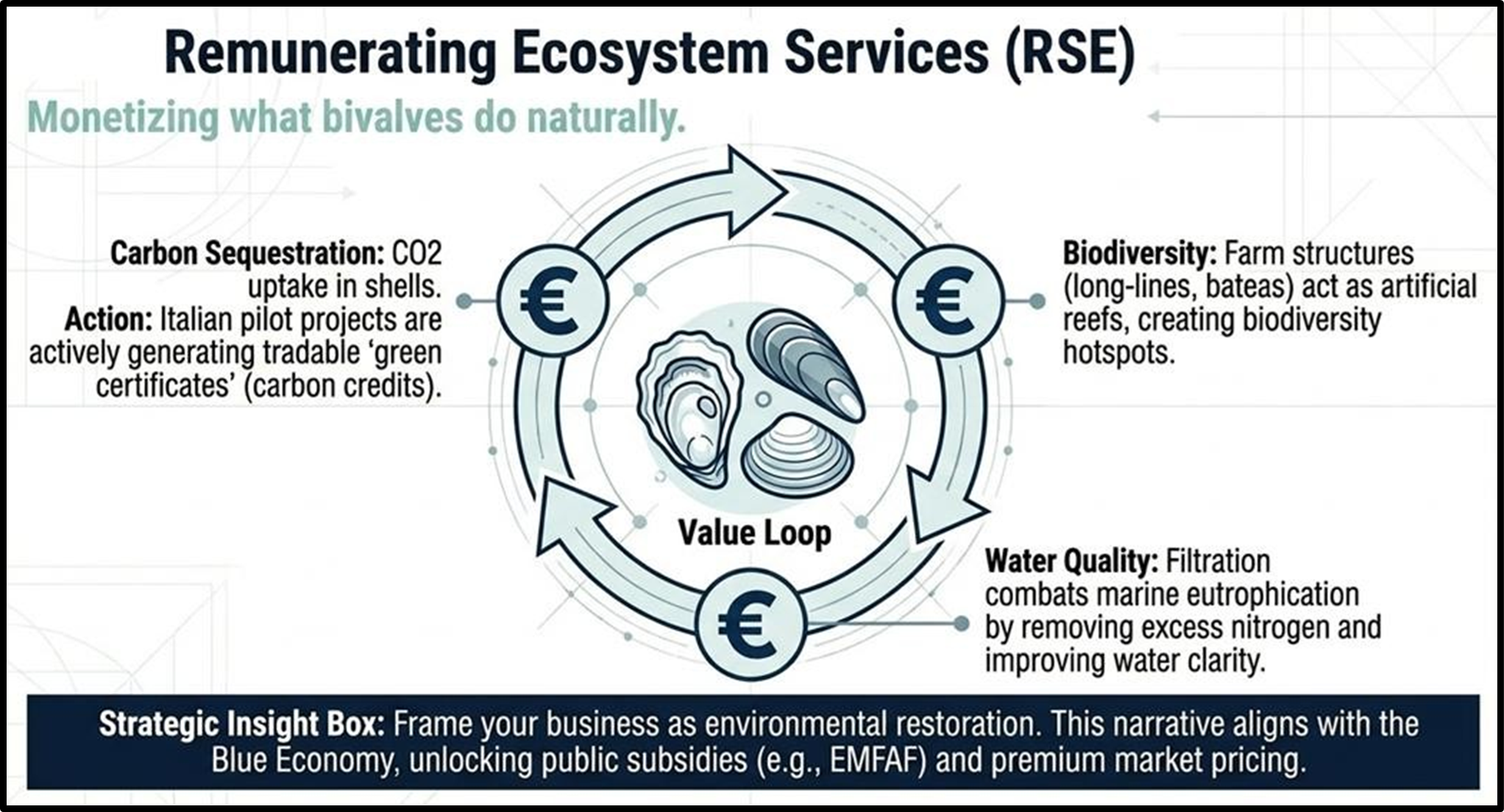
Fig. 25 - Can Ecosystem Services be monetised?
Another fundamental issue is the creation of the market and the definition of transparent remuneration mechanisms: who should pay for these services? Although public intervention through EU funds can be envisaged, a truly scalable and lasting system would require the involvement of private capital, perhaps through voluntary markets for nitrogen or carbon credits, which, however, require clear, standardised and recognised regulatory frameworks that are still in a purely embryonic stage in Europe. Finally, there is the issue of the principle of "additionality", a key requirement of many PES models: to justify payment, regulations often require proof that the ecosystem service is an addition to the status quo and that it would not occur without the financial incentive, a concept that is very difficult to apply and have recognised by farming facilities that may have been operating for decades. For this reason, although interest in PES is undoubtedly growing in all European countries as a tool to reconcile economic development and conservation, their real and widespread implementation will require a huge joint effort in which researchers will have to provide irrefutable data, legislators will have to streamline and harmonise environmental credit markets, and public and private operators will have to work together to build a fair and accessible system that concretely rewards those who generate real value for the ecosystem.
Other valorisation tools include environmental certifications, voluntary markets and public-private partnerships. These models can help diversify operators' income and promote sustainability.
4.2 Knowledge of labelling, traceability and certification requirements for market access.
Knowledge of labelling, traceability and certification requirements is essential for accessing the European markets for bivalve molluscs.
In Italy, France, Spain, Greece and Ireland, these requirements are harmonised at EU level, but their application may vary according to national specificities and marketing strategies. The labelling of bivalve molluscs must provide essential information such as the species, geographical origin, production area, production method (farmed or fished) and packaging date.
Traceability is a mandatory requirement throughout the entire supply chain and allows every stage to be monitored, from production to distribution. Advanced systems, such as digital platforms and blockchain, are increasingly widespread, especially in Ireland and France, where exports require high standards of transparency.
Certifications, in particular those related to sustainability and organic production, are increasingly important tools for accessing the most profitable market segments.
Overall, the ability to understand and apply these requirements is a key success factor in the European market, enabling companies to guarantee quality, safety and sustainability.
4.2.1 Knowing the most common types of quality labels associated with bivalve molluscs in Europe
In Europe, the labels associated with bivalve molluscs are fundamental tools for product promotion and differentiation on the market. In the five countries analysed, there are different types of labels, including designations of origin, geographical indications, collective labels and quality certifications.
In France, designations of origin and regional labels are particularly well developed, especially for oysters. These labels communicate a strong link with the territory and guarantee high quality standards. Although they are not known and recognised at European level, for the French consumer they are a sign of safety and reliability. The same is true in Ireland, where many products are certified with national labels that are not known on the international market. However, in the same way, the Irish production sector has also adopted international labels, such as MSC, due to the great importance of the export sector and to also communicate the quality and safety of the product to consumers in other countries.
In Italy, PDO and PGI labels are also increasingly used in the shellfish sector, although still to a limited extent compared to other agri-food sectors. The BIO label is very widespread, partly due to the fact that it is not too complicated for farmers to meet the standards imposed by organic certification, as the farming of bivalves in itself does not involve the addition of nutrients or antibiotics.
Spain makes effective use of Protected Designations of Origin (PDOs) to promote Galician mussels, while for Valencian mussels there is the "Clóchina de Valencia" brand, a registered collective label managed by the Agrupación de Clochineros de València y Sagunto. The label guarantees that the molluscs are farmed exclusively in the 22 bateas in the ports of Valencia and Sagunto.
In Greece, labels are less developed, but there is a growing interest in regional promotion tools and international labels, given the marked propensity to export the farmed product. Quality and sustainability certifications represent a further level of differentiation.
In Ireland and France, these labels are often integrated into marketing strategies, while in other countries they are still under development.
Knowledge of these tools is essential for companies that intend to compete in EU and international markets, as it allows them to effectively communicate the value of the product and meet consumer expectations, as we will see in the next section.
4.2.2 Assessing the impact of sustainability certification schemes (MSC, ASC, organic) on consumer perception and market value
Sustainability certifications, such as MSC, ASC and organic labels, are playing an increasingly important role in the bivalve mollusc markets. These certification schemes significantly influence consumer perception and the market value of products.
In France and Ireland, consumers show a strong awareness of sustainability, and certifications are a key factor in purchasing decisions. In these countries, certified products can access the higher-end markets.
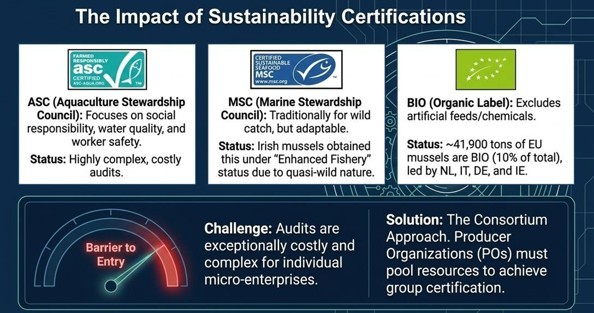
Fig. 26 - Type of international certifications: constraints and solutions
In Italy and Spain, awareness is growing, especially among younger and more tech-savvy consumers. In Greece, the potential is high, but domestic demand is still limited.
Organic certifications are particularly relevant for bivalve molluscs, as these products are already farmed in a natural and sustainable way. However, certification makes it possible to formalise and effectively communicate these characteristics to the consumer, who, in the absence of this, would have to know the farming method and its characteristics in order to understand the product's quality characteristics.
From an economic point of view, the adoption of certifications entails additional costs, but it can generate benefits in terms of access to new markets and an increase in the value of the product. It is also important to consider the risk of greenwashing and the need to ensure the credibility of certifications. Consumers are increasingly demanding transparency and verifiability.
4.3 Ability to identify and pursue new market and product opportunities to increase business resilience
The ability to identify, analyse and develop new market and product opportunities is no longer just a growth lever, but a vital necessity to ensure the resilience of companies in the bivalve mollusc sector. In an increasingly unstable global environment, characterised by macroeconomic uncertainty, the direct impacts of climate change and rapidly changing eating habits, companies must abandon static business models. In the five European countries of reference (France, Italy, Spain, Ireland and Greece), this need translates into diversified strategies, but united by the goal of reducing dependence on a single sales channel or a single unprocessed fresh product.
Growth opportunities lie in segments with high added value (organic, eco-certified, protected brands) which, although sometimes niche, offer significantly higher margins and retain a clientele that is less sensitive to price fluctuations. This is accompanied by technological innovation, which makes it possible to streamline production processes and create formats capable of responding to the growing need for "convenience" (practicality and time-saving). In this complex scenario, entrepreneurial skills, digital literacy and the speed of adaptation become the real competitive advantages for those working in aquaculture.
4.3.1 Recognising potential niche markets (production of eco-certified, organic or locally branded bivalves)
Niche markets represent an invaluable strategic opportunity for companies wishing to escape the logic of price competition typical of commodities. These segments are based on the promotion of specific attributes that are highly sought after by the modern consumer: certified sustainability, guarantee of origin, natural farming methods and a local narrative.
France: The sector is dominated by the "high-level export" approach, particularly in oyster farming. Farms exploit the concept of "merroir" (the marine equivalent of the agricultural terroir), highlighting the special characteristics of the maturation basins (such as the claires). The product is not only sold as food, but as a luxury gastronomic experience, supported by historic and recognisable brands.
Ireland: Leveraging the perceived purity of its Atlantic waters, Ireland focuses heavily on eco-certified products (such as the MSC standard) and organic aquaculture. National initiatives such as Origin Green certify the sustainability of the supply chain, which is now an essential requirement for accessing the premium markets of Northern Europe and Asia.
Italy and Spain: In these countries, the winning strategy for niche products is through Designations of Origin (PDO and PGI) and collective regional brands. Examples such as the Cozza di Scardovari PDO or the Mejillón de Galicia PDO show how the official certification of the link between product, tradition and territory is a very powerful tool for differentiating oneself from low-cost foreign competition and justifying a higher price.
Greece: Despite being a market historically oriented towards large export volumes of undifferentiated products, Greece is beginning to explore these niches, taking advantage of the international appeal of the Mediterranean diet and moving towards sustainability certifications to increase the perceived value of its exports.
The ability to penetrate these markets requires entrepreneurs to change their mindset: it is necessary to invest in an in-depth analysis of sociological trends (such as attention to health and the environment), to adapt to the rigorous production standards required by the certifications and, above all, to be able to communicate the intrinsic value of the mollusc in a transparent and captivating way.
4.3.2 Understanding the opportunities associated with market diversification and technological innovation
To mitigate business risks, aquaculture companies must adopt a two-pronged approach to diversification: on the one hand, geographical and channel diversification (markets), and on the other, diversification of supply (products).
Product diversification (product and process innovation): In Italy and Spain, there is a strong push towards processed products. In response to domestic demand for "convenience", companies are developing lines of pasteurised molluscs, packaged in a protective atmosphere (MAP), frozen half-shell molluscs or molluscs included in ready- to-cook dishes. In Spain, moreover, the conservas sector (high-end canned fish) transforms a perishable product that, if caught in excess, must be disposed of after a few days, into a long-life product with very high added value. Process innovation is also reflected in the adoption of new purification technologies, optical sorting machinery and sustainable packaging (e.g. compostable nets) that improve quality and reduce environmental impact.
Market diversification (geographical and channel): Depending on a single buyer or a single country exposes the company to enormous risks. In Ireland, geographical diversification is a proven model of success: given the low domestic demand for fresh bivalves, companies have built robust trade networks to France, Asia and the United States. The differentiation of sales channels (balancing supply to large-scale retail trade, the hospitality sector and direct sales) is also crucial to cushion the crises that can affect a single sector, as highlighted during recent global health emergencies.
4.3.3 Demonstrate the ability to use digital tools and e-commerce platforms to reach new customers
Digital transformation is no longer exclusive to the technology sectors, but is also reshaping the rules of trade in traditional aquaculture, offering unprecedented tools to disintermediate the supply chain and create direct relationships with consumers.
E- commerce (B2C and B2B): In France and Italy, proprietary e-commerce platforms are experiencing significant growth, allowing producers to sell fresh oysters or processed products directly to the end consumer (Direct-to-Consumer), guaranteeing the cold chain and retaining the margins previously allocated to intermediaries. In Ireland, the digital infrastructure is heavily exploited in the B2B (Business-to-Business) sector for the complex management of international orders and to connect with foreign importers. In Spain and Greece, the adoption of direct e-commerce is accelerating, driven by the search for new sales channels.
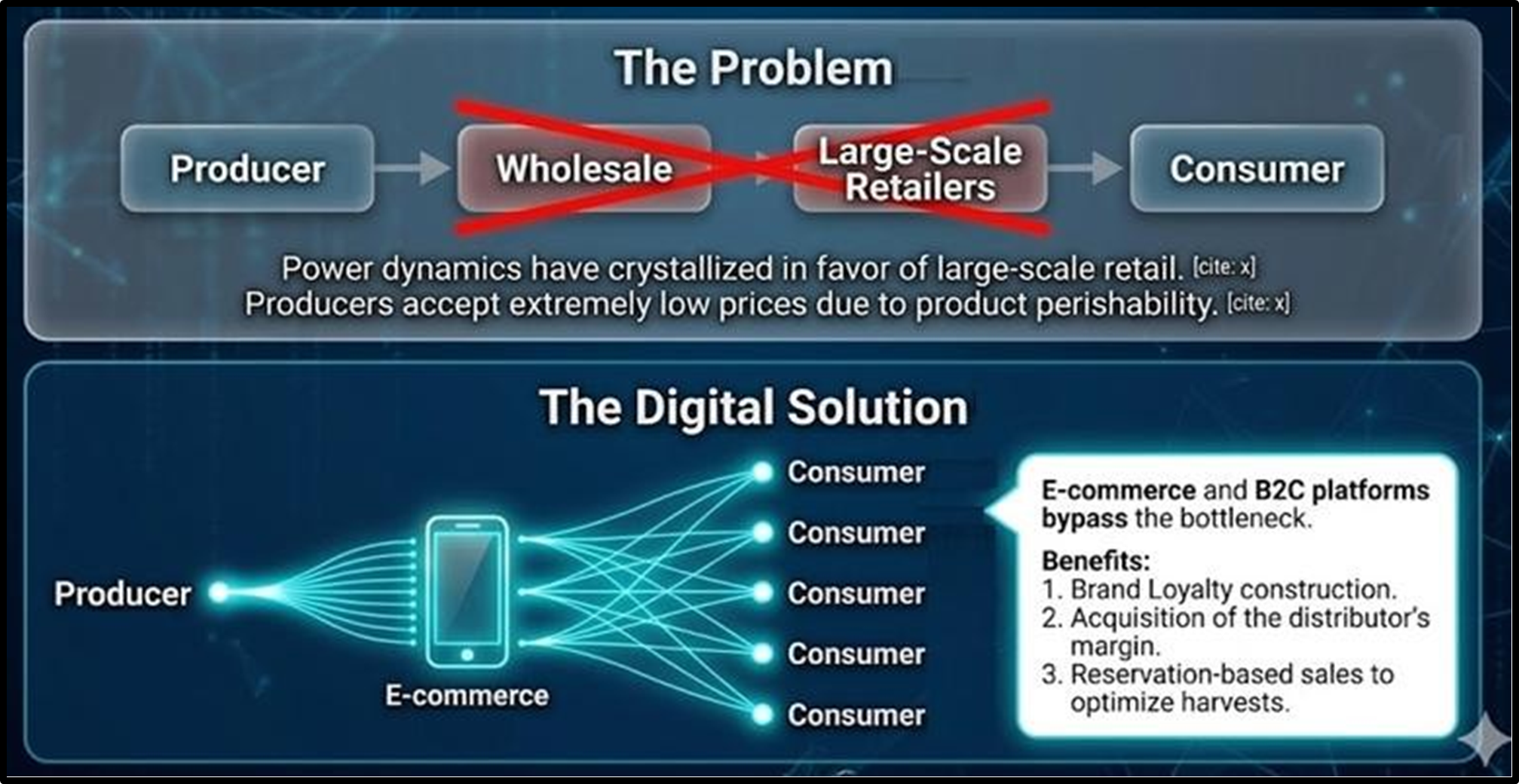
Fig. 27 - The macro reality of the bivalve mollusc aquaculture sector in the EU.
Digital traceability and safety: Tools such as QR codes applied to packaging or registers based on blockchain technology have become formidable marketing levers. They allow the buyer to view the exact bay of origin, the date of harvest and the results of water analyses, providing definitive reassurance on the issues (often critical for bivalves) of food safety and biotoxin control.
Social Media and Storytelling: Platforms such as Instagram, LinkedIn or TikTok are essential for modernising the sector's image. Leading companies use them not only to show the hard work and beauty of the farming environments (humanising the brand), but also for educational purposes: tutorials on how to open an oyster or how to prepare mussels break down the barrier of inexperience for the domestic consumer, encouraging purchase.
The structural integration of these digital technologies within the business model is now the fundamental requirement for expanding the customer base, optimising logistical efficiency and ensuring long-term competitiveness in the global market.