Completion requirements
5.1 Understanding of modern communications strategies, including storytelling and digital campaigns
5.1.2 Utilising storytelling techniques to connect ecological benefits with human stories (farmers, coastal traditions). Recognising the key elements of effective storytelling (authenticity, emotion, narrative flow, target audience)
Storytelling is among the most effective tools available to communicate complex, values-laden topics such as environmental sustainability. Unlike data sheets or technical reports, stories engage cognitive and emotional processing simultaneously — they are remembered longer, trusted more readily, and are more likely to inspire action.
In the context of aquaculture, storytelling bridges abstract ecological concepts (nutrient cycling, carbon sequestration, biodiversity support) and the tangible human experience of those who farm, harvest, and eat bivalves.
Research in applied communication confirms that for emerging issues like aquaculture, which carry both environmental and human health implications, strategic messaging — especially when accompanied by vivid images — may allow audiences to better engage with complex and contentious topics (Chen & Eriksson, 2019; Yang et al., 2022).
The key elements of effective storytelling in this sector are (Zimand-Sheiner, 2024):
➔Authenticity: The most compelling stories are rooted in real experience. A fourth-generation oyster farmer describing how water quality directly impacts his harvest conveys the environmental stakes of pollution far more powerfully than a scientific abstract.
➔Emotional resonance: Effective narratives connect with values the audience already holds — family heritage, coastal identity, care for the sea, healthy eating. Stories succeed when they invite the audience to see themselves in the narrative.
➔Narrative flow: A clear structure — beginning (a challenge or setting), middle (action taken or a practice explained), end (outcome and meaning) — is more memorable than a list of facts. The protagonist can be the farmer, the ecosystem, or even the product itself.
➔Relevance to target audience: Coastal tradition stories resonate with local and regional audiences; nutritional and environmental impact stories resonate more strongly with urban health-conscious consumers and younger demographics (Millennials and Gen Z, who link personal health with ocean health, per Global Seafood Alliance, 2021).
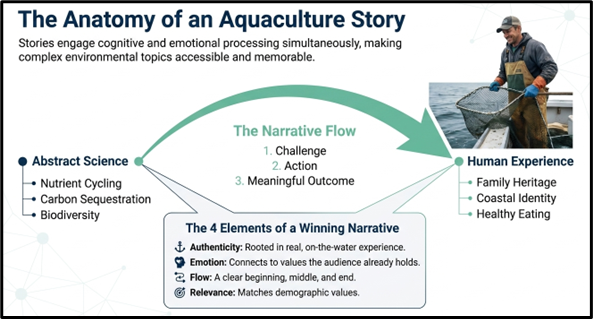
Fig. 29 - Aquaculture storytelling: the winning narrative
Practically, storytelling in the bivalve sector can take several forms: short documentary videos of farming operations, producer profiles on company websites, social media series following the production cycle from spat to plate, or written narratives on packaging.
The craft brewery and specialty coffee sectors offer instructive analogies — both transformed commodity products into differentiated, values-driven brands through consistent, authentic storytelling, and aquaculture can follow a similar path (Thorsen, The Fish Site, 2019).