Requisitos de finalización
2.1 Knowing about distance/online learning and the pedagogy related to it
2.1.1 Concrete examples of distance learning delivery methods (e-learning, blended learning, virtual classroom)
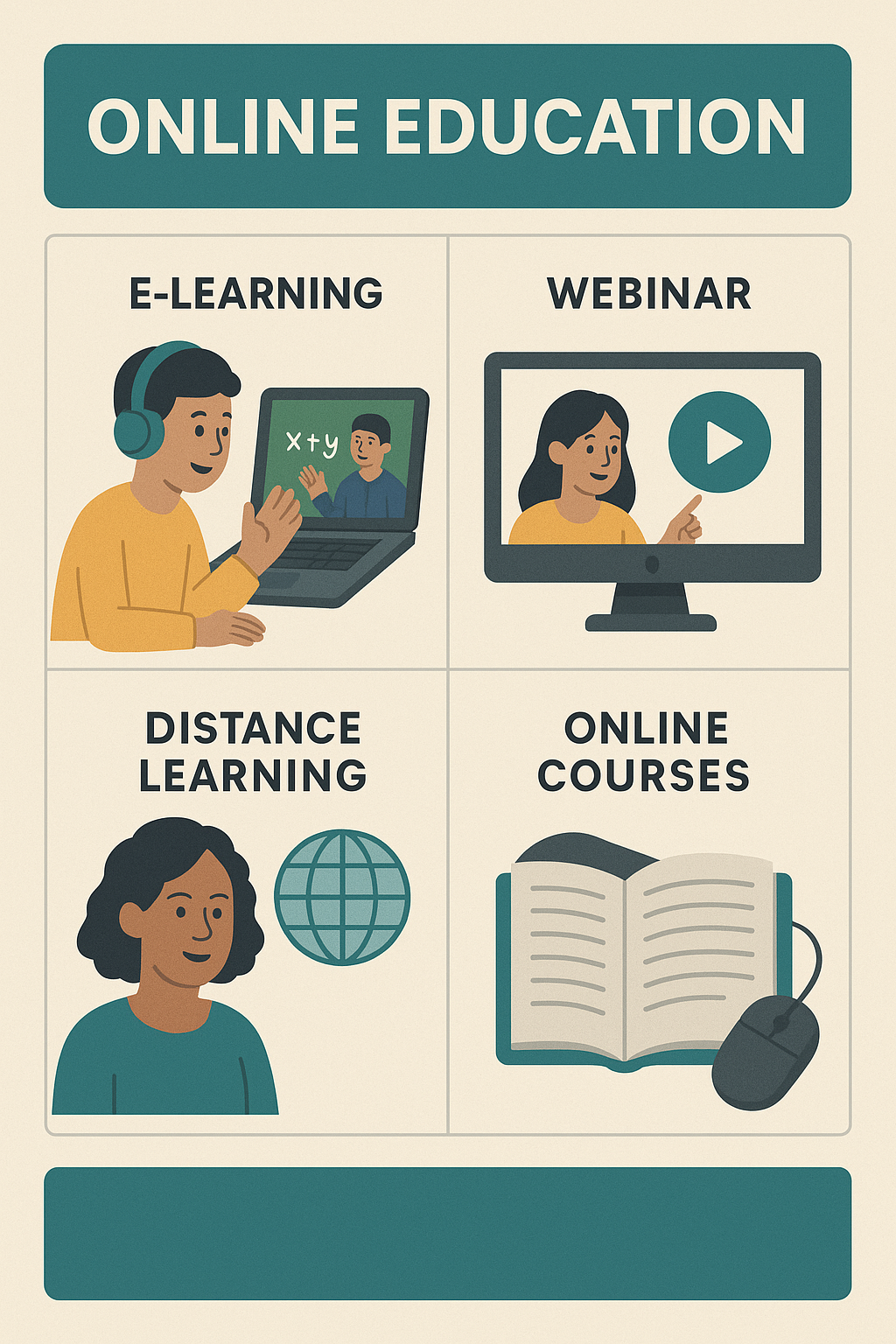
Distance learning offers a variety of methods to meet the diverse needs of students. Among the most commonly used are e-learning, blended learning, and virtual classrooms. Each method has specific characteristics, advantages, and potential challenges, depending on the context, student needs, and available technological resources.
One of the most popular approaches is e-learning, also known as self-paced online learning. This method allows students to access digital learning materials, such as video lectures, readings, audio recordings, and interactive exercises, whenever and wherever they want. It is an asynchronous form of learning, meaning students do not need to be connected to instructors or classmates at the same time. A typical example is a course offered through a Learning Management System (LMS) platform, such as Moodle, Coursera, edX, or Udemy. These platforms provide structured content divided into modules, along with tools such as quizzes, discussion forums, and automated feedback.
Students can study independently, review lectures as needed, and progress at their own pace. This flexibility makes e-learning particularly suitable for adult students, professionals, or anyone who needs to balance study with work or family commitments.
Another widely adopted model is Blended Learning, which integrates online and in-person elements to create a more dynamic and interactive learning experience. A popular example is the flipped classroom approach, in which students are assigned theoretical content - such as recorded lectures, articles, or slides - to study at home, while class time is used for practical activities, collaborative exercises, and direct interaction with the teacher.
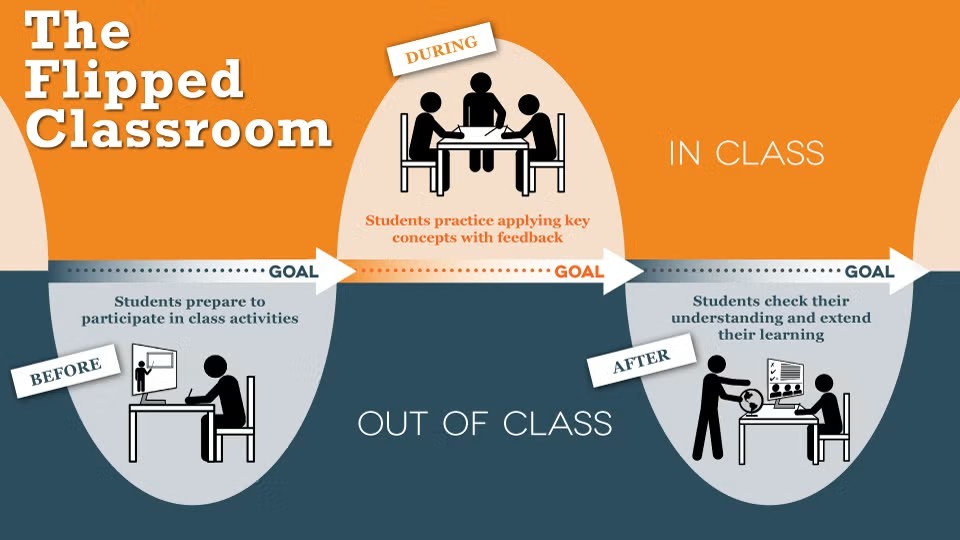
This method fosters deeper understanding, as students arrive in class prepared to actively engage with the material, rather than passively receiving it. Blended Learning can take different forms depending on the institution's objectives and is often used in schools, universities, and corporate training programs.
Finally, the virtual classroom replicates a traditional classroom environment in real time through videoconferencing tools such as Zoom, Microsoft Teams, or Google Meet. This synchronous method requires students and teachers to be connected simultaneously, allowing for live interaction, immediate feedback, and real-time collaborative work. Features such as breakout rooms for group discussions, shared digital whiteboards, screen sharing, and live Q&A sessions increase engagement and enable a more personal connection between participants. The virtual classroom is particularly useful in those cases where it is important to maintain a sense of community and continuity, such as in the primary and secondary education or university seminars.
Each of these distance learning methods offers specific benefits, and in many cases, institutions are adopting a hybrid model that combines aspects of all three, in order to create a more comprehensive and adaptable learning environment for the students.