Aggregazione dei criteri
4.1 Understanding national and international markets for bivalve molluscs, including consumer trends and behaviour
4.1.4 Economic enhancement models and tools for the remuneration of ecosystem services (Payments for Ecosystem Services - PES)
Recognition of the ecosystem services provided by farmed bivalve molluscs is becoming increasingly important in Europe and worldwide.
These organisms make an important contribution to the filtration of seawater and the elimination of excess organic load, to the increase in biodiversity, and to the fixation of CO2, generating benefits that go beyond the commercial value of the product.
In Ireland, where the environmental conditions are particularly favourable and the sector is already more technologically advanced, initiatives are being developed to promote these services through certifications and pilot projects.
In France, the integration between aquaculture, public health and scientific research and environmental management is more advanced, and collaborations between producers and public authorities are increasingly common. There is not yet this awareness among farmers in Italy, Spain and Greece, and this issue is not yet widely debated and is not seen as crucial except by the sector's leading scientific bodies.
The Payments for Ecosystem Services (PES) applied to the farming of bivalve molluscs represents one of the most fascinating and complex frontiers for contemporary EU aquaculture, constituting a real paradigm shift that sees the farmer transformed from a simple producer of food to an active guardian of the coastal environment.
This awareness gives rise to the great opportunity of PES, i.e. the possibility of recognising and financially remunerating these benefits, creating a supplementary and diversified source of income for aquaculture businesses. This system could not only incentivise even more virtuous management practices, but also dramatically improve the public perception of the sector, which is often mistakenly associated with the negative impacts of other forms of intensive aquaculture. However, the transition from theory to practice presents considerable challenges.
The main difficulty lies in the quantification and objective economic valuation of these ecosystem services. Calculating the ecosystem services provided (creation of habitats and elimination of excess nutrients) and assigning them an economic value is sometimes physically impossible or requires extremely rigorous scientific protocols, constant monitoring and site-specific models, since, for example, filtering efficiency varies enormously depending on the species, currents, water temperature and seasonality.
Furthermore, for example, the issue of carbon sequestration in bivalves is still the subject of academic debate, since the calcification process to form the shell temporarily releases carbon dioxide, making the net balance difficult to certify. In addition to these scientific uncertainties, there are significant bureaucratic and economic obstacles: the costs of implementing monitoring, reporting and verification systems (the so-called transaction costs) risk being so high as to negate the economic benefit of the subsidy itself, effectively cutting out the small producers who form the backbone of the sector in Europe.
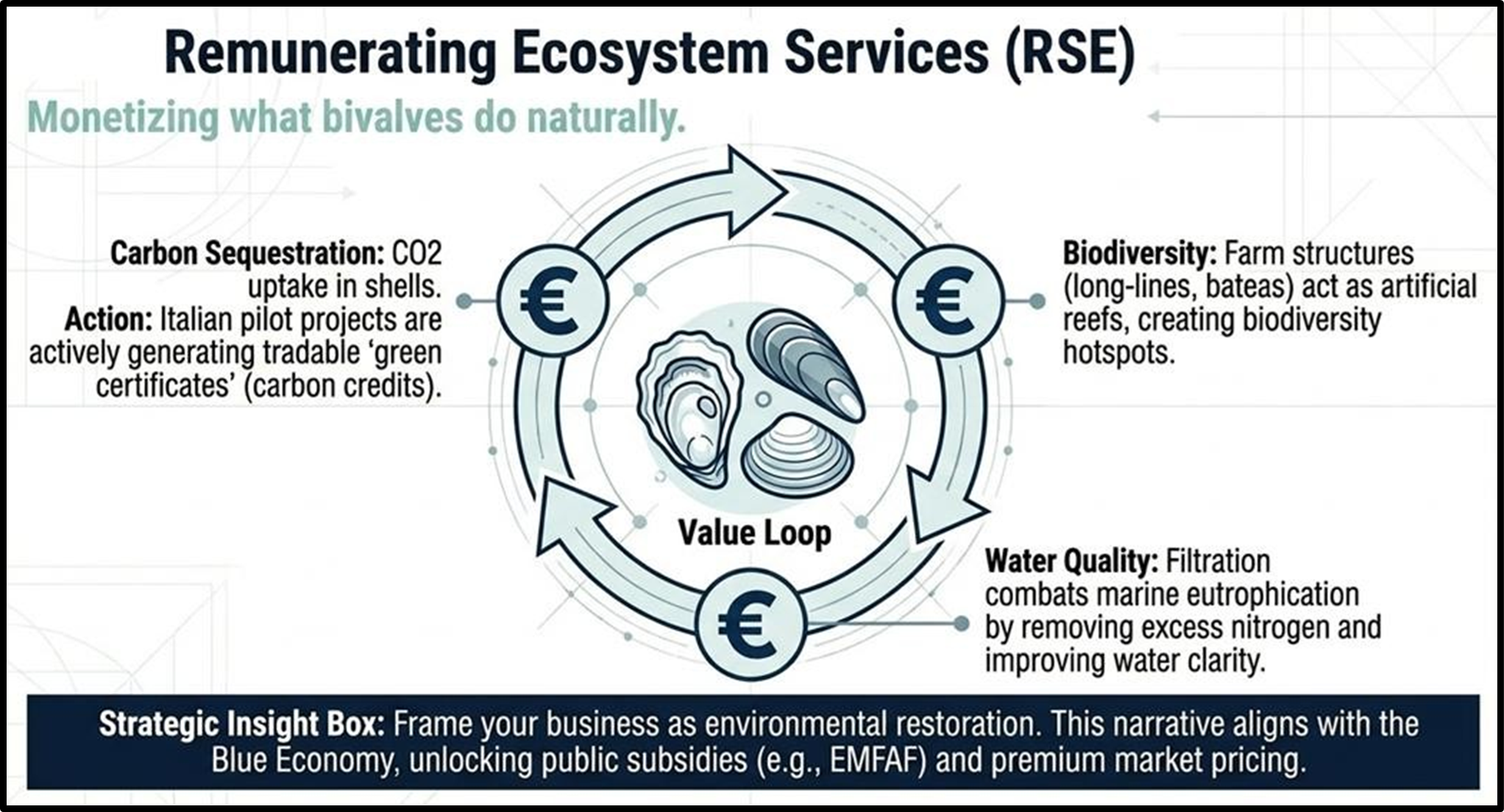
Fig. 25 - Can Ecosystem Services be monetised?
Another fundamental issue is the creation of the market and the definition of transparent remuneration mechanisms: who should pay for these services? Although public intervention through EU funds can be envisaged, a truly scalable and lasting system would require the involvement of private capital, perhaps through voluntary markets for nitrogen or carbon credits, which, however, require clear, standardised and recognised regulatory frameworks that are still in a purely embryonic stage in Europe. Finally, there is the issue of the principle of "additionality", a key requirement of many PES models: to justify payment, regulations often require proof that the ecosystem service is an addition to the status quo and that it would not occur without the financial incentive, a concept that is very difficult to apply and have recognised by farming facilities that may have been operating for decades. For this reason, although interest in PES is undoubtedly growing in all European countries as a tool to reconcile economic development and conservation, their real and widespread implementation will require a huge joint effort in which researchers will have to provide irrefutable data, legislators will have to streamline and harmonise environmental credit markets, and public and private operators will have to work together to build a fair and accessible system that concretely rewards those who generate real value for the ecosystem.
Other valorisation tools include environmental certifications, voluntary markets and public-private partnerships. These models can help diversify operators' income and promote sustainability.